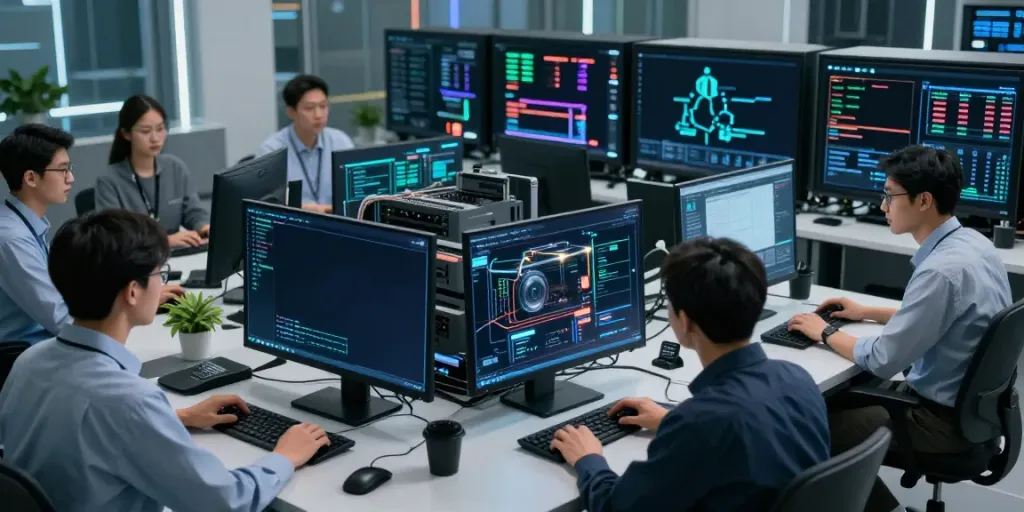
Understanding AI Infrastructure: An Overview
As artificial intelligence (AI) continues to evolve, the need for robust and efficient AI infrastructure has become increasingly critical. AI infrastructure refers to the combination of hardware, software, and networking components that enable the development, deployment, and management of AI applications. It provides the foundation needed to support demanding workloads such as machine learning, data processing, and AI model inference. This article will delve into the essential elements of AI infrastructure, how it supports the token economy, and the power plans available to those looking to participate in this growing field.
What is AI Infrastructure?
AI infrastructure encompasses a variety of components that work together to facilitate AI operations. This includes everything from physical hardware such as servers and GPUs to software solutions that manage data storage and processing. By optimizing these elements, organizations can efficiently run AI models, ensuring quick response times and the ability to handle large datasets.
The Components of AI Infrastructure
Several key components define an effective AI infrastructure:
- Hardware: This includes high-performance computing resources such as GPUs and TPUs, which are essential for training complex AI models.
- Software: AI frameworks and tools such as TensorFlow, PyTorch, and data management systems are crucial for developing and deploying models.
- Networking: High-speed connectivity is vital for transferring large volumes of data between systems and for seamless collaboration across teams.
- Data Storage: Efficient data storage solutions are necessary to support the vast amounts of information that AI applications require.
How AI Infrastructure Supports the Token Economy
In the context of the AI Token Economy, AI infrastructure is pivotal. It underpins the systems that use tokens to measure and bill AI services. By linking computational tasks with energy consumption through tokenized services, AI infrastructure allows organizations to monetize AI workloads effectively, facilitating greater access to AI technologies and enabling participants to gain financially from their contributions.
Power Plans for AI Infrastructure Participation
One of the most accessible ways for individuals and businesses to engage with AI infrastructure is through structured power plans. These plans allow users to contribute to the energy and computing resources essential for running AI operations.
Exploring AI Infrastructure Power Plans
There are several power plans tailored to different user needs. These include:
- Core Power Access: Ideal for beginners, this plan offers basic support for participating in AI infrastructure.
- Enhanced Power Access: Provides a broader range of services and flexibility for those looking to expand their AI operations.
- Advanced Power Access: Designed for large-scale users, this plan allows for significant computational resources and extensive capabilities.
Evaluating Contribution Rewards
Each power plan comes with its own set of contribution rewards. The rewards are calculated based on several factors, including the level of power contributed, the efficiency of AI workloads, and overall operational performance. This system incentivizes users to optimize their energy usage and encourages participation in the AI Token Economy.
How to Choose the Best Power Plan
When selecting a power plan, participants should consider their operational needs, budget, and long-term goals. Evaluating factors such as scalability, potential rewards, and the specific requirements of AI workloads will help in making a well-informed decision.
Benefits of Joining the AI Token Economy
Participating in the AI Token Economy offers numerous advantages, particularly in the context of AI infrastructure, which is crucial for facilitating advanced AI capabilities.
The Role of Electricity in AI Operations
Electricity is the lifeblood of AI operations. It powers the GPUs that process large datasets, enabling the real-time analysis and inference necessary for AI applications. Efficient management of electricity ensures that these systems run optimally, reducing downtime and maintaining high performance.
Measuring Your Contribution
As a participant in AI infrastructure, measuring your contribution is crucial for understanding the impact of your involvement. Energy contributions are tracked through sophisticated monitoring systems that calculate how much power is being utilized for AI workloads and how that translates into tokenized AI services.
Impact on AI Factory Operations
The smooth operation of AI factories relies heavily on reliable and efficient energy management. By contributing to AI infrastructure, individuals play a critical role in ensuring that AI services are delivered effectively, which, in turn, drives innovation and economic growth in the sector.
Challenges in Implementing AI Infrastructure
While there are numerous benefits to engaging with AI infrastructure, challenges do exist that participants must navigate.
Common Misconceptions about AI Infrastructure
One common misconception is that AI infrastructure is solely for large corporations. In reality, many platforms, such as 51 AIpower, offer opportunities for individual participants to engage meaningfully, democratizing access to AI resources.
Scalability and Resource Allocation
Scalability is a critical challenge for AI infrastructure. As AI workloads grow, the underlying infrastructure must adapt to meet increased demand. This includes ensuring sufficient energy supply and managing resources effectively to prevent inefficiencies.
Dealing with Utility Price Fluctuations
Participants also face the challenge of fluctuating energy prices, which can affect the overall cost of operating AI infrastructure. Implementing flexible power plans can help mitigate these risks, allowing for better budgeting and financial planning.
Future Trends in AI Infrastructure
Looking ahead, several trends are expected to shape the future of AI infrastructure.
Innovations Driving AI Infrastructure Development
Innovations in hardware, such as quantum computing and AI-specific chips, are set to enhance the capabilities of AI infrastructure significantly. These advancements will enable faster processing times and greater energy efficiency.
Predictions for AI Infrastructure in 2026
By 2026, the AI infrastructure landscape is expected to be more interconnected, with a shift towards decentralized models that leverage cloud and edge computing. This will facilitate more scalable and efficient AI operations.
Emerging Technologies and Their Impact
Emerging technologies like 5G and enhanced data analytics will play a vital role in transforming AI infrastructure. These advancements will enable quicker data transfer and more potent real-time processing capabilities.
What are the key requirements for AI infrastructure?
Key requirements include high-performance hardware, adequate data storage solutions, robust networking capabilities, and effective software for data management. Together, these components ensure that AI operations can run smoothly and efficiently.
How can individuals participate in AI infrastructure?
Individuals can participate through power plans offered by platforms like 51 AIpower, where they can contribute to electricity and computing resources without needing to manage the hardware themselves.
What are the rewards for supporting AI infrastructure?
Rewards typically consist of tokens that represent a share of the operational revenue generated by the AI workloads supported by the participant’s power contribution.
What challenges might I face in AI infrastructure?
Challenges include navigating fluctuating energy prices, managing resource allocation, and overcoming misconceptions about accessibility for individual participants.
How does AI infrastructure impact different industries?
AI infrastructure has the potential to revolutionize various industries, enhancing efficiency, driving innovation, and enabling companies to leverage AI technologies for competitive advantage.