Understanding Hair Transplant Malaysia
Hair transplant is a surgical procedure that has evolved significantly over the years, providing individuals suffering from hair loss an opportunity to regain their confidence. In Malaysia, the narrative around hair restoration has shifted towards innovative techniques that yield natural, scar-free results. When exploring options, Hair Transplant Malaysia stands out as a competitive destination due to its affordability and expertise. This article serves as a comprehensive guide to understanding hair transplants in Malaysia, from the basics to the intricacies of various procedures.
What Is a Hair Transplant?
A hair transplant is a medical procedure aimed at treating hair loss by relocating healthy hair follicles from a donor site—usually the back or sides of the scalp—to areas experiencing thinning or baldness. This method is particularly effective for those suffering from androgenetic alopecia, commonly known as male or female pattern baldness. The process ensures that the transplanted hair retains its natural growth characteristics, offering permanent and aesthetically pleasing results.
Importance of Choosing the Right Clinic
Selecting the appropriate clinic for a hair transplant is crucial for ensuring quality results. Patients are encouraged to look for clinics that are accredited by the Ministry of Health Malaysia and staffed by qualified surgeons with recognized credentials in hair restoration. A well-rated clinic, like GLOJAS Specialist Clinic, is characterized by its successful track record, patient testimonials, and the use of advanced techniques like SMART™ FUE.
Patient Testimonials and Success Stories
Many individuals have experienced transformative outcomes following hair transplants. Testimonials often highlight the improved self-esteem and quality of life post-procedure. Success stories, including before-and-after photos, serve as encouragement for prospective patients considering this life-changing investment.
Types of Hair Transplant Techniques
The choice of hair transplant technique is critical in achieving the best results for individuals suffering from hair loss. Each method offers unique advantages and caters to different hair loss patterns.
Follicular Unit Extraction (FUE)
Follicular Unit Extraction (FUE) is one of the most advanced hair transplantation methods where individual hair follicles are harvested directly from the donor area using a specialized punch tool. This technique is minimally invasive, resulting in minimal scarring and a quicker recovery time. FUE is particularly favored by patients who prefer shorter hairstyles, as the scarring is virtually undetectable.
Follicular Unit Transplantation (FUT)
Follicular Unit Transplantation (FUT), also known as the strip method, involves removing a narrow strip of scalp from the donor area, which is then dissected into individual grafts under a microscope. This technique allows for a higher number of grafts to be transplanted in a single session and is often more cost-effective. However, it does leave a linear scar, which may be a concern for patients wishing to wear very short hair.
Direct Hair Implantation (DHI)
Direct Hair Implantation (DHI) is an innovative technique that combines the extraction and implantation phases into a single process. Utilizing a pen-like device, this method allows surgeons to extract and implant grafts simultaneously. DHI offers greater control over the depth, angle, and density of the transplanted hair, resulting in a more natural appearance but often comes at a higher cost due to its complexity.
Evaluating Hair Transplant Costs in Malaysia
The cost of hair transplants in Malaysia can vary widely based on several factors, including the technique used and the number of grafts required. Understanding these costs is crucial for making informed decisions.
Average Cost Breakdown and Pricing Models
On average, the cost of a hair transplant in Malaysia ranges from RM8,000 to RM30,000, translating to approximately RM5 to RM15 per graft. This pricing is significantly lower than in countries like the United States or Australia, where similar procedures can cost 40-60% more. Factors influencing pricing include the surgeon's experience, the clinic's reputation, and the specific technique employed.
Financing Options and Insurance Coverage
Hair transplants are primarily considered cosmetic procedures and are not typically covered by insurance. However, many clinics offer financing options to help patients manage costs. Patients should inquire about payment plans and potential medical necessity exceptions that might allow for insurance coverage.
Cost Comparison: Malaysia vs. Global Standards
Compared to global standards, Malaysia offers competitive pricing for hair transplants. In countries like the US or UK, costs can soar anywhere from RM30,000 to RM70,000 depending on the complexity and number of grafts. As such, Malaysia has become a popular destination for medical tourism in the hair restoration field.
Who Is a Good Candidate for Hair Transplant?
Identifying suitable candidates for hair transplants involves examining various factors, including the cause of hair loss and the individual's health status.
Identifying Pattern Baldness and Causes of Hair Loss
Pattern baldness is the most common reason individuals seek hair transplants. It is essential to establish whether hair loss is due to genetic factors, medical conditions, or lifestyle choices. Consulting with a qualified specialist can help determine the underlying cause and the most effective treatment approach.
Consultation Process for Candidacy Assessment
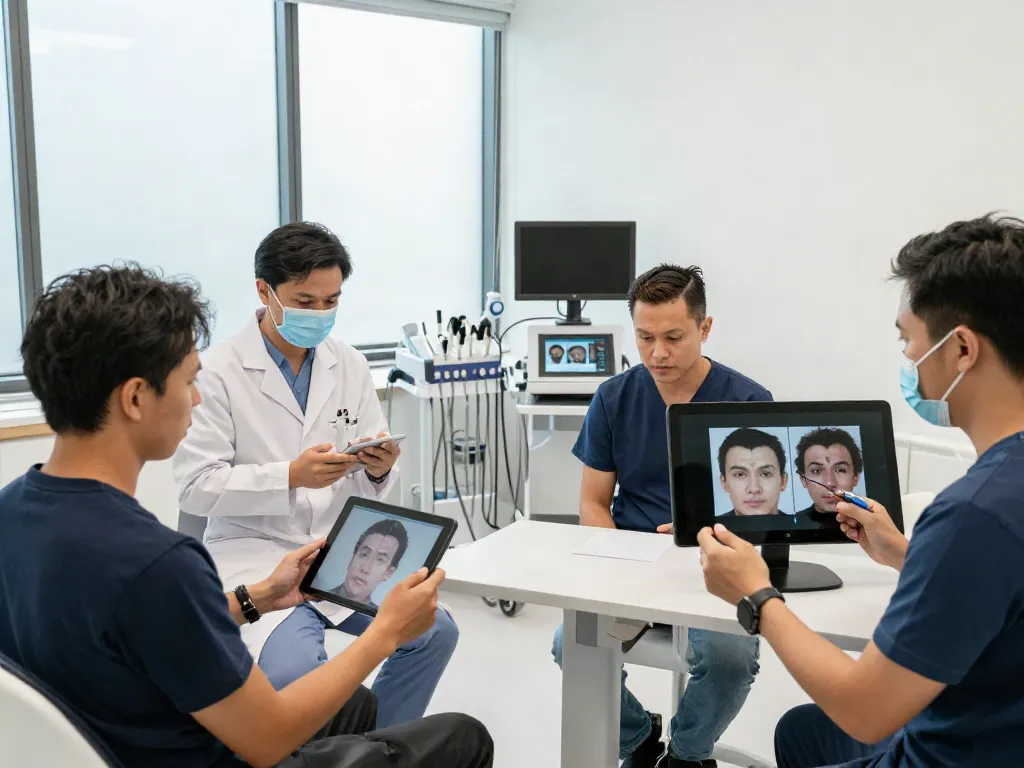
During the consultation, a thorough examination of the scalp will be conducted to assess hair density, quality, and the donor area. This assessment helps determine the number of grafts needed and identify the most suitable technique for the individual.
Addressing Common Misconceptions About Hair Transplants
Common misconceptions about hair transplants include beliefs that they are only for older adults or that they yield artificial-looking results. In reality, advancements in techniques like FUE and DHI have made it possible for individuals of various ages to achieve natural results.
Future Trends in Hair Restoration
The field of hair restoration is constantly evolving with new technologies and techniques that aim to improve patient outcomes.
Emerging Technologies in Hair Transplant
Exciting innovations such as robotic-assisted hair transplant systems are becoming more prominent, enhancing precision in follicle extraction and implantation. These technologies promise higher graft survival rates and less operator fatigue during lengthy procedures.
Patient-Centered Care Innovations
Future trends in hair restoration emphasize a patient-centered approach, focusing on individualized treatment plans that cater to the specific needs and expectations of each patient. Innovations in telemedicine are also allowing for better pre- and post-operative support.
Predictions for Hair Restoration Techniques in 2026 and Beyond
As we look ahead to 2026, the integration of AI and machine learning is expected to revolutionize hair transplant planning and execution, allowing for a more tailored approach that predicts outcomes more accurately. Furthermore, there is a growing interest in non-surgical solutions that complement traditional hair transplants.
What are the long-term outcomes of hair transplants?
Long-term outcomes of hair transplants are generally positive, with most patients experiencing significant hair regrowth and improved self-esteem. Studies show that transplanted hair grows naturally and maintains its characteristics over time, often lasting a lifetime.
How do different hair types affect transplant results?
Hair type, including thickness, curliness, and color, can influence the appearance of the transplant. For instance, thicker hair can provide a denser look, while curly hair can offer better coverage compared to straight hair. Surgeons often take these factors into account during the planning stage.
Are there risks associated with hair transplants?
Like any surgical procedure, hair transplants carry certain risks, including infection, scarring, and uneven hair growth. However, choosing a qualified surgeon and following post-operative care instructions can significantly minimize these risks.
What post-operative care is needed?
Post-operative care is crucial for the success of a hair transplant. Patients are typically advised to avoid vigorous exercise, direct sunlight, and certain hair products for a specified period to ensure proper healing and optimal hair growth.
How to maintain results after a hair transplant?
Maintaining results after a hair transplant involves following a proper hair care regimen, including using gentle shampoos, avoiding harsh chemicals, and possibly undergoing follow-up treatments like PRP therapy to enhance hair growth. Regular consultations with a hair restoration specialist can help monitor progress and address any concerns.