Understanding Ceramic Radiators
Ceramic radiators are making waves in the electric heating industry, renowned for their energy efficiency and ability to provide superior warmth compared to traditional electric heaters. These innovative heating solutions utilize advanced ceramic core technology that not only heats up quickly but also retains warmth even after being turned off. When exploring options, ceramic radiator options provide comprehensive insights into the best products available.
What is a Ceramic Radiator?
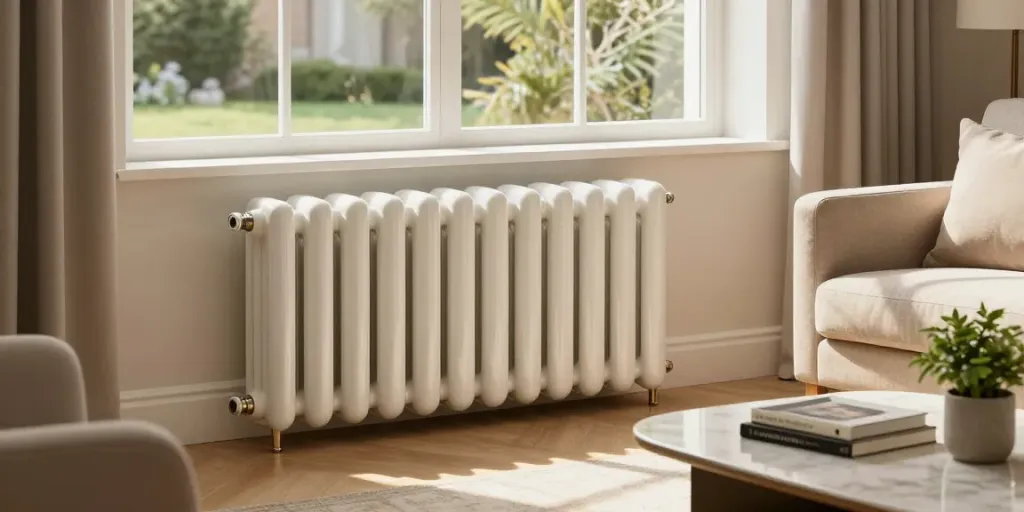
A ceramic radiator is a type of electric radiator designed with a high-density ceramic core that absorbs heat efficiently and releases it gradually into the surrounding air. Unlike traditional electric heaters which rely solely on convection to distribute heat, ceramic radiators leverage their unique design to maintain a consistent and comfortable temperature.
How Do Ceramic Radiators Work?
The functioning of a ceramic radiator involves intricate heat transfer mechanisms. The electric element heats the ceramic core through resistive heating, where electrical energy is converted to heat as the current passes through. As the ceramic absorbs this heat, it stores it effectively and releases it gradually, allowing for sustained warmth even after the heater is switched off. This process not only enhances comfort but also optimizes energy consumption.
Advantages of Ceramic Radiators
- Energy Efficient: Ceramic radiators convert nearly all electricity into heat without significant loss.
- Quiet Operation: They operate silently due to natural convection, making them ideal for bedrooms and workplaces.
- Low Maintenance: With no fluids or mechanical parts, ceramic radiators require minimal upkeep.
- Space-Saving Design: Many models are designed to be compact and stylish, fitting seamlessly into modern interiors.
- Quick Heating: They warm up quickly, providing immediate comfort when needed.
Comparing Heating Technologies
When selecting a heating solution for your home, it's essential to understand how ceramic radiators stack up against other heating technologies like oil-filled and convection heaters. This knowledge can help you make an informed decision based on efficiency, costs, and comfort.
Ceramic Radiator vs. Oil-Filled Radiators
Ceramic radiators and oil-filled radiators operate on similar principles, converting electrical energy into heat. However, ceramic radiators have a distinct advantage in terms of efficiency. They heat up faster and retain heat longer, allowing for energy savings and reduced running costs. While oil-filled radiators can provide a gentler warmth, they typically take longer to reach the desired temperature and cool down more quickly, leading to increased energy consumption.
Ceramic Radiators vs. Convection Heaters
Convection heaters rely heavily on air movement to circulate warmth, often resulting in uneven heat distribution and drafts. In contrast, ceramic radiators provide a more stable and even temperature by using their core to emit heat directly into the room. This gentle, radiant heat not only warms the air but also heats objects and surfaces in proximity, enhancing overall comfort.
Energy Efficiency and Costs
The energy efficiency of ceramic radiators comes from their ability to retain heat and minimize energy wastage. While the upfront cost may be higher than that of standard electric heaters, their longevity and lower operating costs often result in a better long-term investment. Users can expect significant savings on energy bills, especially when using programmable thermostats to control heating schedules effectively.
Choosing the Right Ceramic Radiator
Selecting the appropriate ceramic radiator for your specific needs involves considering various factors such as room size, heating requirements, and aesthetic preferences. Here are the key considerations to keep in mind.
Factors to Consider Before Purchase
- Heating Capacity: Assess the room size to determine the wattage needed. For instance, a room of up to 20 square meters may require a radiator with an output of around 1,200 to 2,000 watts.
- Design and Aesthetic: Choose a model that complements your home decor, whether you prefer a freestanding or wall-mounted design.
- Control Options: Modern ceramic radiators often come with digital controls, Wi-Fi connectivity, and programmable settings for efficient management.
- Safety Features: Look for models with overheat protection and child safety locks, especially if you have young children or pets at home.
Optimal Sizing for Your Space
Getting the sizing correct is crucial to ensure efficient heating without wasting energy. Oversizing can lead to unnecessary costs and inefficient heating cycles. By accurately calculating the heat-loss requirement based on insulation, window area, and external walls, you can select a radiator that meets your specific needs without being excessive.
Installation Considerations
Ceramic radiators are relatively easy to install, often requiring no plumbing or complex setups. They can be either plugged into a standard outlet or hardwired depending on the model. Ensuring proper installation not only enhances performance but also ensures safety. Always follow manufacturer instructions and consider hiring a professional for hardwired installations.
Ceramic Radiator Maintenance and Safety
While ceramic radiators are designed to be low-maintenance, regular care can help prolong their lifespan and efficiency. Here are essential maintenance and safety practices to follow.
Installation Safety Tips
- Ensure that the electrical socket or hardwired connection is appropriate for the radiator's wattage.
- Maintain a safe distance from flammable materials to avoid fire hazards.
- Utilize wall mounts on solid surfaces to prevent accidents from tipping.
- Regularly check for dust and debris accumulation, especially on air intake grilles, to promote optimal airflow.
Common Maintenance Practices
Periodic cleaning with a damp cloth can keep the exterior of the radiator in good condition. For models with digital controls, ensure that the control panel is dry and free of moisture. Regular inspection for any signs of damage or wear is also advisable to preemptively address potential issues.
How to Maximize Efficiency
To maximize the efficiency of your ceramic radiator, consider employing smart home technologies that allow for remote monitoring and control. Implementing heating schedules based on occupancy can significantly reduce energy expenditure while maintaining comfort. Additionally, ensure that windows and doors are sealed to prevent cold drafts that may force the radiator to work harder.
Future Trends in Heating Solutions
The world of heating solutions is evolving rapidly. As technological advancements continue, ceramic radiators are positioned to integrate new innovations that enhance their functionality and energy efficiency.
Innovations in Ceramic Heating Technology
Future developments may include improved ceramics that enhance heat retention, as well as advancements in smart thermostat technology that offer machine learning capabilities for even more precise temperature control. Manufacturers are focusing on eco-friendly materials and practices that align with sustainability initiatives.
Smart Home Integration
The integration of ceramic radiators into smart home systems is expected to become more common. Features such as voice control, app-based adjustments, and automated temperature settings based on weather forecasts can offer users greater convenience and energy savings.
Market Predictions for 2026 and Beyond
With growing concerns about energy efficiency and climate change, the ceramic radiator market is anticipated to expand, particularly in residential applications. Innovations and competitive pricing are likely to make these solutions more accessible to a broader audience, driving widespread adoption.
Are Ceramic Radiators Worth It?
In summary, ceramic radiators represent a significant advancement in electric heating technology. Their combination of energy efficiency, safety, and user-friendly features makes them a worthy investment for homeowners looking for effective heating solutions. When utilized properly, they not only reduce energy costs but also create a comfortable living environment.