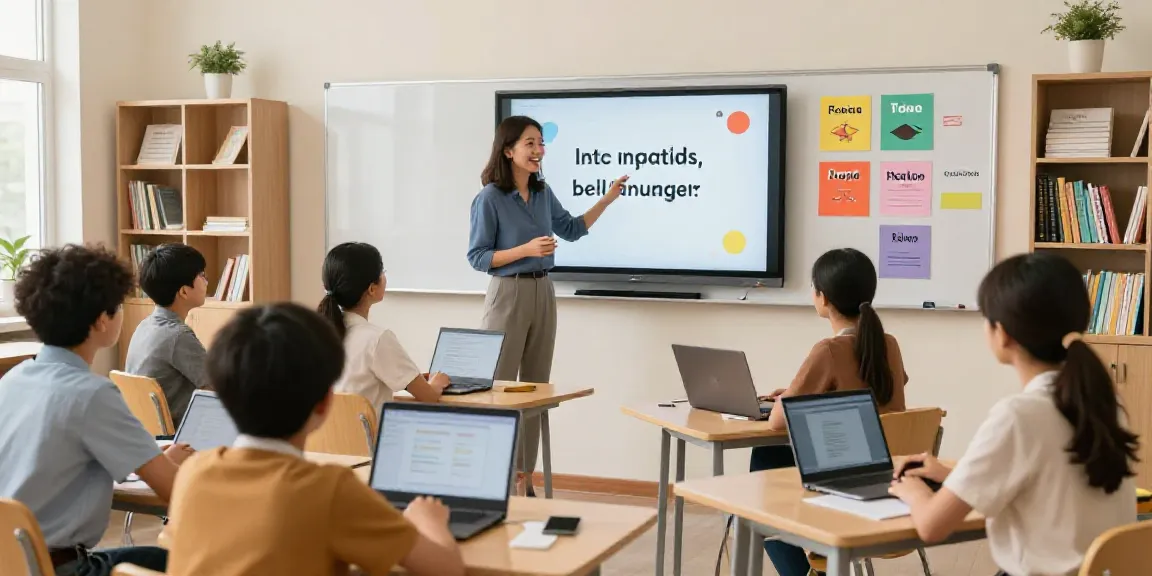
Understanding the Basics of Language Learning
In today's increasingly globalized world, the ability to communicate in multiple languages has become not just a valuable skill but a necessity. The methods by which we learn foreign languages can significantly impact our success. The Toto method of language learning emphasizes a structured approach, integrating various educational resources to ensure effective language acquisition. This article will explore what makes the Toto method distinct, debunk common misconceptions about language education, and highlight the importance of structured learning systems.
What is the Toto method of language learning?
The Toto method is characterized by its holistic approach to language acquisition. It combines traditional educational practices with modern technology, including multimedia resources, interactive tools, and personalized learning experiences. This method recognizes that language learning isn't a one-size-fits-all process; instead, it adapts to the learner's unique needs and preferences. By employing a variety of teaching techniques, the Toto method aims to enhance retention, comprehension, and practical application.
Common misconceptions about foreign language education
One common misconception is that language learning can be achieved solely through rote memorization. While memorizing vocabulary is important, true language proficiency requires more than just recalling words. Another myth is that only immersion in a foreign country can lead to fluency. While immersion is beneficial, structured learning environments, like those offered through the Toto method, can provide learners with the foundational skills necessary for real-world application.
The importance of structured learning systems
Structured learning systems offer clear pathways for language acquisition, helping learners navigate the complexities of grammar, vocabulary, and pronunciation. These systems typically include goal setting, progress tracking, and tailored feedback mechanisms that are crucial for effective learning. By following a structured approach, learners can build their skills steadily and avoid the pitfalls of disorganized or haphazard study methods.
Identifying Red Flags in Language Learning Programs
While evaluating language learning programs, it's essential to recognize warning signs that may indicate ineffective methods. Many programs promise quick results but fail to deliver substantive learning. Understanding what to look for can save students time and resources while ensuring they find a program that truly meets their educational needs.
Poor feedback mechanisms in language courses
Feedback is vital to any learning process, including language education. Programs that lack robust feedback mechanisms do not allow learners to understand their strengths and weaknesses. Insufficient feedback can lead to stagnation, preventing progress and creating frustration. Effective language learning should incorporate regular assessments and constructive feedback to guide students in their journey.
Lack of interaction and real-world practice
Language learning systems that do not encourage interaction can hinder students' ability to speak confidently in real-life situations. It's crucial for learners to practice speaking, listening, and engaging with others to develop fluency. Programs lacking opportunities for interaction—whether through conversation partners, group classes, or practical exercises—may not prepare students for the realities of using the language outside the classroom.
Absence of qualified instructors or curriculum
An effective language program should be delivered by qualified instructors who understand the intricacies of language acquisition. Moreover, a well-structured curriculum tailored to learners' levels and goals is essential. Programs that do not provide qualified instructors or a coherent curriculum often fall short in delivering a satisfying and effective learning experience.
Effective Language Learning Strategies
To maximize language learning outcomes, students can employ various effective strategies that enhance their ability to absorb and use the language. These strategies go beyond basic study techniques and offer a comprehensive approach to mastery.
Incorporating multimedia resources into learning
Utilizing multimedia resources such as videos, podcasts, and interactive software can significantly enhance the learning experience. These tools introduce learners to authentic language use, diverse accents, and cultural contexts, making the learning process more engaging and informative. Multimedia resources not only capture attention but also cater to different learning styles, making them indispensable in modern language education.
Utilizing interactive tools for better retention
Interactive tools, such as language learning apps and online forums, allow learners to practice their skills in a dynamic environment. These tools enable learners to engage actively with the language, which fosters better retention compared to passive learning methods. Games, quizzes, and interactive exercises can also make learning enjoyable, thereby increasing motivation and commitment.
Setting measurable goals for language proficiency
Setting specific, measurable goals is crucial for tracking progress and maintaining motivation in language learning. By defining clear objectives, learners can focus their efforts, celebrate milestones, and adjust their learning strategies as needed. Whether it's achieving a certain level of proficiency, completing a module, or engaging in conversations, measurable goals provide a roadmap to success.
Real-World Applications of Language Skills
Language proficiency holds significant value in a wide range of settings, from professional environments to social interactions. Understanding how to apply language skills can enhance career opportunities and personal experiences.
Using Toto methods in professional settings
In the workplace, multilingualism is increasingly valued. Employers often favor candidates who can communicate effectively in multiple languages, as this skill can enhance collaboration and open markets. The structured learning and practical application offered by the Toto method can prepare individuals for professional scenarios, equipping them with the necessary vocabulary and communication strategies.
Cultural immersion and language acquisition
Language is intrinsically linked to culture. Engaging with native speakers and immersing oneself in cultural contexts can accelerate language acquisition significantly. Understanding cultural nuances can enrich communication and foster deeper connections between individuals. Programs that emphasize cultural understanding alongside language skills can create more competent and confident speakers.
Networking opportunities through language proficiency
Effective networking often involves the ability to converse in multiple languages. Proficiency in a second language opens doors to connecting with people from diverse backgrounds, enhancing professional and personal relationships. The Toto method's focus on practical language use can provide learners with the skills necessary to network confidently in various environments.
Future Trends in Language Education (2026 Outlook)
As we look toward the future, language education continues to evolve rapidly, driven by technological advancements and changing learner needs. Understanding these trends can prepare both educators and learners for the opportunities ahead.
Technological advancements shaping language learning
The integration of technology in language education shows no signs of slowing. Innovations such as artificial intelligence-driven tutoring, virtual reality immersion experiences, and blockchain credentialing for language proficiency are on the horizon. These advancements promise to make language learning more accessible, personalized, and effective.
Predictions for the global language education market
Market trends indicate a growing demand for language education across various sectors, driven by globalization and the need for effective communication. Institutions that offer innovative, flexible language learning solutions are likely to thrive. The increase in remote work and international business dealings will continue to fuel interest in language programs that offer real-life applications.
Emerging platforms for language exchange and practice
The rise of online platforms that facilitate language exchange and practice represents a significant trend. These platforms connect learners globally, allowing for real-time communication and cultural exchange. By leveraging technology, learners can find conversation partners, participate in language challenges, and gain varied experience without geographical limitations.
What are the benefits of learning languages with the Toto method?
Learning languages using the Toto method offers numerous benefits, including a structured approach, diverse resources, and practical application. This method can increase retention rates, enhance fluency, and empower learners to use their skills confidently in real-world situations.
How can I identify quality language courses?
When seeking out quality language courses, look for programs with qualified instructors, comprehensive curriculums, and robust feedback mechanisms. Additionally, reputable courses should offer opportunities for interaction and practical application, allowing learners to engage actively with the language.
What are common pitfalls in online language learning?
Common pitfalls in online language learning include lack of engagement, insufficient feedback, and unrealistic expectations regarding speed of learning. Being aware of these pitfalls can help learners choose courses that are more aligned with their goals and learning preferences.
How important is practice in language proficiency?
Practice is critical to achieving proficiency in any language. Regular speaking, listening, reading, and writing exercises reinforce skills and facilitate retention. Consistent practice helps learners become more comfortable using the language in various contexts, ultimately leading to greater fluency.
What resources are recommended for language learners?
Recommended resources for language learners include interactive apps, online courses, language exchange platforms, and multimedia content such as podcasts and videos. These resources can provide diverse learning experiences that enhance language acquisition.