Overview of the Manaslu Trek
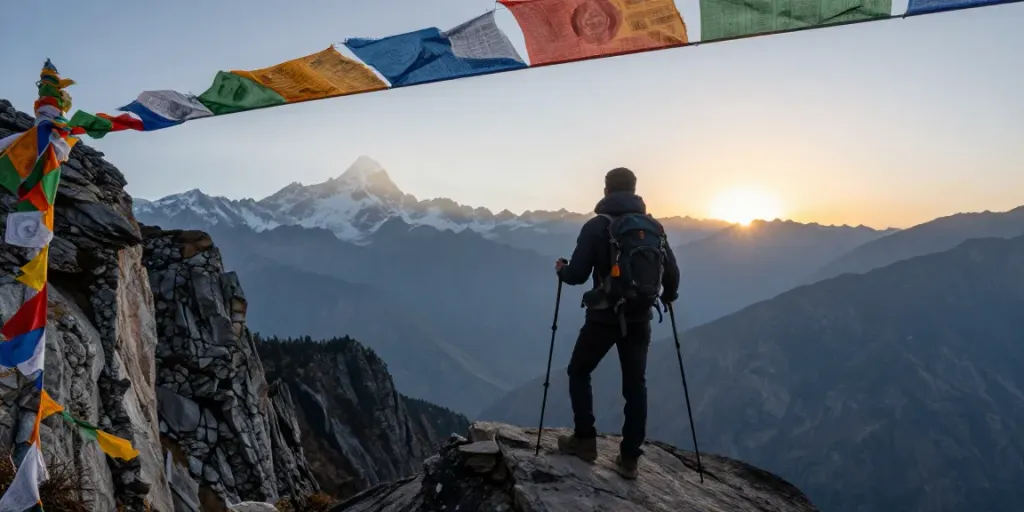
The Manaslu Trek, known for its breathtaking scenery and rich cultural significance, takes adventurers around the majestic Mount Manaslu (8,163 m), the eighth highest peak in the world. This trek offers a unique blend of challenging terrain, stunning Himalayan views, and encounters with traditional Tibetan villages, making it one of the most sought-after trekking experiences in Nepal. Through this guide, trekkers will discover essential information, preparation tips, and insights into why the Manaslu Trek is gaining popularity among outdoor enthusiasts.
What is the Manaslu Trek?
The Manaslu Trek is a long-distance trekking route that encircles the Manaslu massif, leading trekkers through a diverse range of landscapes, from lush green valleys and terraced fields to high-altitude glacial terrains. Spanning approximately 177 kilometers (110 miles), the trek typically takes 15 days to complete, allowing for acclimatization and exploration of the rich cultural heritage along the trail. The journey provides an opportunity to experience the harmonious blend of nature and ancient traditions, particularly in villages inhabited by the Gurung and Tibetan communities.
Key Highlights and Attractions
- Stunning Mountain Views: The trek features spectacular views of Mount Manaslu and other peaks, including Himlung Himal, Kang Guru, and Annapurna II.
- Cultural Encounters: Trekkers will have the chance to interact with local communities, explore traditional monasteries, and experience the unique lifestyle of the Himalayan people.
- Larkya La Pass: At 5,160 meters (16,928 feet), this dramatic pass offers a thrilling highlight of the trek, providing panoramic views that are truly unforgettable.
- Rich Biodiversity: The trek traverses the Manaslu Conservation Area, which is home to diverse wildlife, including snow leopards and Himalayan tahr.
Understanding the Trek’s Route and Terrain
The Manaslu Trek features a variety of terrains, from gentle rolling hills to steep ascents and rocky paths. The route generally follows the Budi Gandaki River, leading trekkers through lush forests and charming villages. The highest point is at Larkya La Pass, where altitude poses challenges that require physical fitness and proper acclimatization. Trekkers should expect to walk between 5 to 8 hours daily, depending on the specific segment of the trek. Understanding the topography and preparations for changing weather conditions are crucial for a successful trek.
Preparing for the Manaslu Trek
Proper preparation is vital when embarking on the Manaslu Trek. By ensuring you have the right gear, physical conditioning, and an understanding of acclimatization, trekkers can maximize their enjoyment and safety throughout the journey.
Essential Gear and Packing List
When preparing for the trek, it’s important to pack appropriately to ensure comfort and safety in varying weather conditions. Essential gear includes:
- Footwear: Sturdy trekking boots with good ankle support.
- Clothing: Layered clothing suitable for both warm and cold weather, including thermal layers, waterproof jackets, and trekking pants.
- Sleeping Gear: A high-quality sleeping bag rated for cold temperatures and a comfortable sleeping mat.
- Personal Items: Sunscreen, a first aid kit, and necessary medications.
- Electronics: Power banks and adapters for charging devices; ensure you have spare batteries for cameras.
Physical Conditioning and Training
Given the moderate to challenging difficulty level of the trek, physical preparation is crucial. Trekkers should engage in regular cardiovascular activities, such as hiking, running, or cycling, to build endurance. Aim for at least four to five sessions per week, focusing on both stamina and strength training. Incorporating uphill walking and practicing with a pack can also help simulate the trekking experience.
Acclimatization and Health Considerations
Acclimatization is critical to avoid altitude sickness, especially when crossing high passes like Larkya La. Trekkers should plan for sufficient acclimatization days within their itinerary to allow their bodies to adjust to the altitude. Staying hydrated, consuming a balanced diet, and being aware of altitude sickness symptoms are important to ensure a safe trekking experience.
Cost Breakdown for the Manaslu Trek
The cost of the Manaslu Trek can vary depending on various factors, including trekking duration, group size, and the level of service provided. Understanding the cost components will help trekkers budget appropriately for their trip.
Estimated Expenses Overview
On average, the total cost for the Manaslu Trek can range between $1,500 and $2,500. This includes expenses for permits, accommodation, food, guides, transport, and any additional side treks or activities. Breaking down your budget will ensure you are well-prepared for the journey ahead.
Budgeting Tips for Trekking in Nepal
- Plan for Hidden Costs: While trekking packages may include many essentials, budget for additional expenses such as tips, snacks, and laundry services.
- Cash is King: Ensure you have sufficient cash in Nepalese Rupees while on the trek, as ATMs are scarce in remote areas.
- Travel Insurance: Invest in travel insurance that covers trekking, including medical emergencies and possible evacuation.
What’s Included in Trek Packages?
Most guided trek packages include transportation to and from the starting point, accommodation in guesthouses, meals along the route, guide services, and necessary permits. Ensure to clarify with your trekking company what is included to avoid any unexpected expenses during your journey.
Choosing the Right Trekking Company
Selecting a reputable trekking company to lead your Manaslu adventure is crucial for ensuring safety, guidance, and overall enjoyment. Here are key factors to consider.
Key Factors to Consider
- Experience and Reputation: Research the company’s history, customer reviews, and safety records.
- Guide Qualifications: Ensure guides are experienced, knowledgeable about the area, and certified in first aid.
- Itinerary Options: Look for companies that offer flexible itineraries tailored to your preferences and needs.
Top Companies for the Manaslu Trek
Many companies provide trekking tours in Nepal, but it's vital to choose one with a proven track record. Look for companies like Ace the Himalaya, which is known for its expertise and dedication to responsible tourism. Reading customer reviews and experiences can offer valuable insights into the quality of service provided.
Customer Reviews and Experiences
Genuine reviews from past trekkers can provide a wealth of information. Look for feedback on the quality of guides, accommodation standards, and overall trekking experience. Companies with positive reviews tend to provide better service and support throughout the trek.
Frequently Asked Questions about the Manaslu Trek
In this section, we address common queries prospective trekkers often have about the Manaslu Trek.
What is the difficulty level of the Manaslu Trek?
The Manaslu Trek is considered moderately difficult. It involves long days of walking, considerable elevation gain, and traversing rugged terrain. Trekkers should be in good physical condition and able to hike for several hours daily.
When is the best time to go trekking?
The optimal seasons for the Manaslu Trek are spring (March to May) and autumn (September to November). During these times, the weather is typically stable, and the views of the mountains are spectacular.
Can I trek solo or do I need a guide?
Since the Manaslu area is a restricted region, it is mandatory to trek with a licensed guide. This ensures not only safety but also compliance with legal requirements.
What are the visa requirements for Nepal?
Travelers can obtain a visa on arrival at Tribhuvan International Airport in Kathmandu, or apply ahead of time. It is advisable to carry USD cash for the visa fee.
How to avoid altitude sickness during the trek?
To prevent altitude sickness, ascend gradually, stay well-hydrated, and take acclimatization days seriously. It's also important to be aware of the symptoms and communicate with your guide regarding any issues.