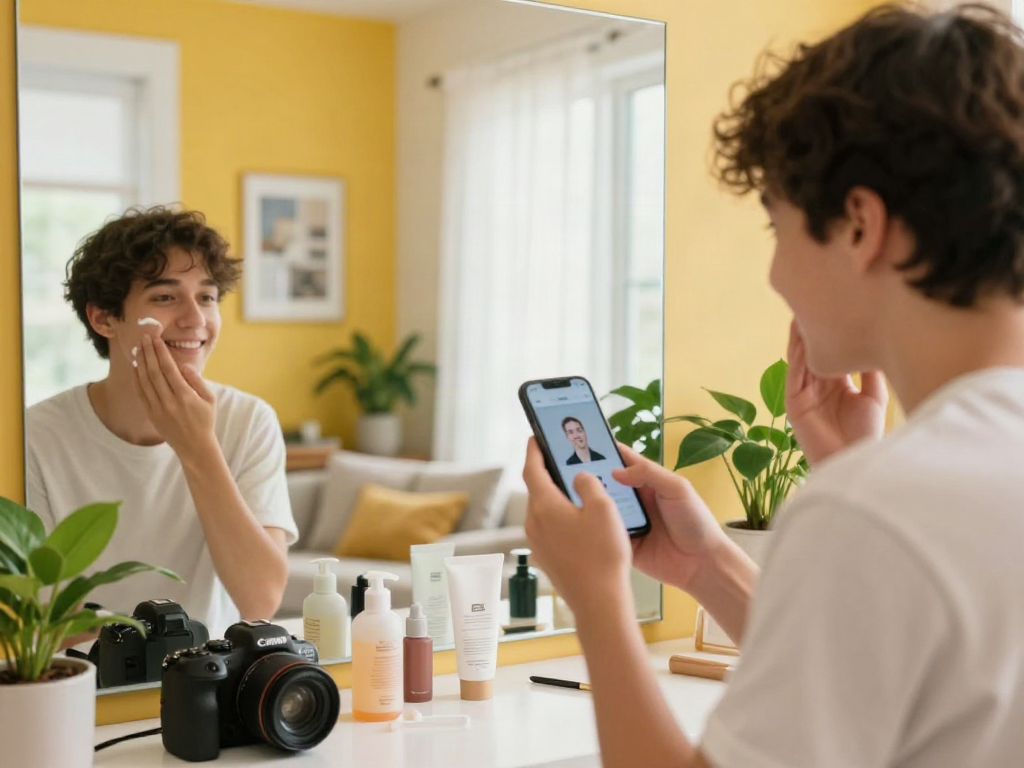
Understanding the Test of Attractiveness
In a world increasingly influenced by visual communication, understanding one's attractiveness can have far-reaching implications, from personal confidence to social interactions. The test of attractiveness has emerged as a popular tool for individuals seeking to gain insights into their facial appeal. But what exactly does this entail? This article will delve into the nuances of these tests, their scientific underpinnings, and the broader implications they hold for self-perception and societal standards.
When exploring options, test of attractiveness provides comprehensive insights that can help users evaluate their facial features against established beauty metrics.
What Is the Test of Attractiveness?
The test of attractiveness is a tool designed to assess an individual's facial aesthetics using various algorithms and AI technologies. Participants commonly upload a photo, which is analyzed based on predetermined criteria related to beauty standards, such as facial symmetry, proportion, and adherence to the golden ratio. The output often includes a numerical score that reflects the perceived attractiveness of the features present in the image.
The Science Behind Facial Attractiveness
Attractiveness is subjective and influenced by cultural, social, and individual factors. However, certain universal metrics have emerged. For instance, studies suggest that facial symmetry plays a critical role in perceived beauty; symmetrical faces are often associated with good health and genetic fitness. Additionally, concepts such as the golden ratio apply mathematical principles to facial proportions, asserting that faces that align more closely with these ratios are often deemed more attractive.
Researchers have identified various facial landmarks that contribute to attractiveness, including the distance between the eyes, the width of the jawline, and the length of the nose. These elements combine to create an overall aesthetic appeal that can be quantitatively measured, resulting in a higher attractiveness score.
Common Misconceptions about Attractiveness Tests
Amidst the popularity of attractiveness tests, several misconceptions persist. One common belief is that these tests can provide a definitive measure of one’s worth or desirability; however, the reality is more nuanced. These tests are often based on statistical averages and cultural expectations rather than absolute truths. They can serve as a guide but should not dictate self-worth or personal value.
Furthermore, many people assume that an attractive score directly correlates with success in life or love, which is not necessarily the case. While physical appearance can play a role in initial impressions, factors such as personality, intelligence, and emotional resonance often weigh more heavily in longer-term relationships.
How to Take an Effective Attractiveness Test
Preparing Your Photo for the Test
To obtain accurate results from an attractiveness test, high-quality photo preparation is essential. Here are a few tips:
- Lighting: Natural lighting is best; avoid harsh shadows or direct sunlight that may distort facial features.
- Angle: A head-on photo typically yields the best results, as many tests analyze the symmetry directly.
- Background: Use a simple background that does not distract from your face.
Choosing the Right Attractiveness Test Tool
With numerous online platforms offering attractiveness tests, selecting the right tool is paramount. Look for tools that are backed by scientific research and provide a detailed breakdown of your score. Review user testimonials to gauge reliability and accuracy.
Some offerings include AI-driven platforms leveraging complex algorithms to analyze hundreds of facial markers, while others may provide more simplistic analyses. It’s crucial to find a tool that resonates with your needs and level of engagement.
What to Expect After Your Test
Once you complete an attractiveness test, expect to receive a score along with feedback on specific features that contributed to your overall attractiveness rating. This information can be insightful; understanding which aspects of your face are perceived favorably can offer guidance in personal grooming and styling choices.
However, it’s important to approach this feedback with a balanced mindset. Use it as an opportunity for self-improvement, not as a finite judgment on your self-worth or attractiveness.
Interpreting Your Attractiveness Score
Understanding the Scoring Metrics
Attractiveness scores generally range from 1 to 10 or 0 to 100, depending on the specific test. Each test has its scoring criteria based on various facial features and how they align with established beauty benchmarks. Familiarizing yourself with what each score signifies can help you place your results in context.
Comparing Scores Across Different Tests
Users often find that their scores can vary significantly between different tests. This discrepancy can arise from the algorithms used and the subjective nature of attractiveness itself. Therefore, it’s essential to view these scores as part of a larger picture rather than an absolute measure of beauty.
Consider keeping a record of your scores over time. Tracking improvements or changes can provide valuable insights into how personal grooming and lifestyle choices affect your perceived attractiveness.
Using Feedback for Personal Growth
Feedback from attractiveness tests is an excellent opportunity for self-reflection. Rather than fixating on a low score, focus on the specific areas identified for improvement. Whether it’s enhancing facial symmetry through skincare or experimenting with different hairstyles, small changes can lead to an improved perception of attractiveness.
Moreover, understanding that attractiveness is multi-faceted encourages a more holistic approach to self-improvement, incorporating emotional and mental well-being along with physical appearance.
Enhancing Your Attractiveness Score
Best Practices for Facial Care
Improving your attractiveness score often starts with a solid skincare routine. Here are several best practices to consider:
- Hydration: Drink plenty of water to keep your skin clear and radiant.
- Cleansing: Regular cleansing helps remove impurities and maintain clear skin.
- Moisturizing: A good moisturizer can improve skin texture and create a healthier appearance.
Mental and Emotional Aspects of Attractiveness
Attractiveness isn't solely about physical features; mental and emotional health play significant roles in how we are perceived by others. Cultivating self-confidence, practicing positive self-talk, and engaging in activities that promote well-being can enhance your attractiveness beyond the superficial.
Moreover, adopting an attitude of gratitude and self-acceptance can significantly influence how we present ourselves to others, contributing to a more attractive aura.
Style and Presentation Tips
Your personal style can also impact your attractiveness score. Here are a few tips to enhance your style:
- Dress for Your Body Type: Wear clothing that flatters your natural shape.
- Choose Colors Wisely: Certain colors may complement your skin tone while enhancing your features.
- Accessorize: Thoughtful accessories can elevate an outfit and draw attention to your face.
Future Trends in Attractiveness Testing
The Impact of AI on Attractiveness Assessment
As technology continues to advance, AI plays an increasingly significant role in attractiveness assessment. Future tests are likely to become more sophisticated, incorporating deep learning algorithms that can analyze complex patterns in facial structures and provide more nuanced results.
Additionally, with the rise of augmented reality (AR), users may soon access attractiveness assessments through virtual try-ons, offering immediate feedback on various styles and grooming options.
Emerging Tools and Technologies in 2026
Looking ahead to 2026, we can expect a wave of innovative tools designed to assess and enhance individual attractiveness. Features may include real-time feedback through mobile applications, personalized beauty regimens generated based on users' specific facial characteristics, and community-driven platforms that facilitate self-expression and confidence-building.
Ethical Considerations and Body Positivity
As the popularity of attractiveness tests grows, it’s crucial to address ethical considerations. Emphasizing body positivity and inclusivity is essential in any discussion surrounding attractiveness. Technology must evolve to celebrate diverse beauty standards and promote self-acceptance rather than enforcing rigid ideals.
Encouraging users to embrace their unique features and appreciate their individuality can foster a healthier perspective on attractiveness.
What is the role of technology in testing attractiveness?
Technology serves as a bridge between self-perception and objective beauty metrics. It provides tools that allow individuals to gain insights into their facial attractiveness while democratizing access to beauty assessments. However, these tools should support a narrative of self-acceptance and personal growth.
Can attractiveness tests improve self-esteem?
While attractiveness tests have the potential to boost self-esteem by highlighting positive features, they can also negatively affect self-image if not interpreted thoughtfully. It’s essential to approach these tests as one of many tools for self-exploration rather than definitive assessments of worth.
How often should one take an attractiveness test?
The frequency of taking attractiveness tests depends on individual goals. Those seeking to track progress in personal grooming or changes in lifestyle might benefit from periodic testing, while others may choose to engage with these tests less frequently to maintain a healthier perspective on their beauty journey.
Are attractiveness tests reliable?
Attractiveness tests can provide valuable insights, but their reliability varies based on the algorithms used and individual interpretations. Users should approach results with a critical mindset, recognizing the subjective nature of attractiveness while using scores as a catalyst for personal development.
What factors influence attractiveness beyond appearance?
Beyond physical features, numerous factors influence perceived attractiveness, including personality traits, social hygiene, and emotional intelligence. Qualities such as kindness, confidence, and authenticity often resonate more deeply than superficial characteristics, shaping our interactions and relationships.