The Science Behind Age Estimation
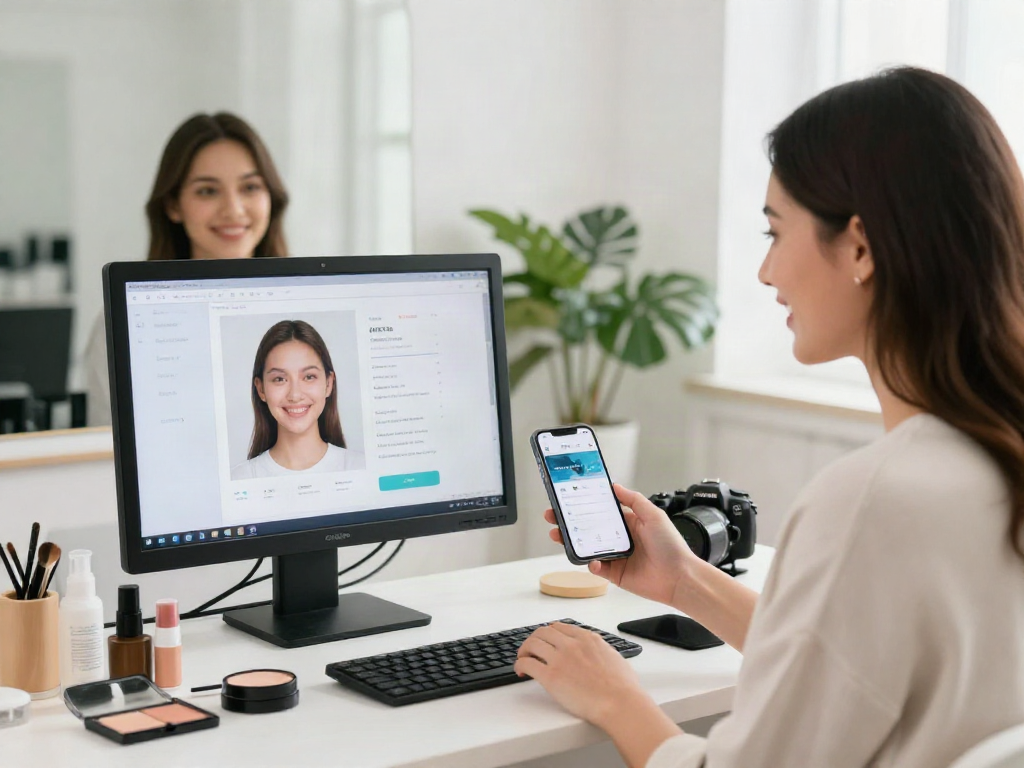
As technology advances, understanding the nuances of age perception has become increasingly sophisticated. The inquiry into "how old do I look" has transformed from a subjective question into a data-driven exploration, combining psychology with cutting-edge AI. Age estimation tools leverage a plethora of data points to assess perceived age based on facial features, helping users satisfy their curiosity about how they are perceived by others.
When exploring options, how old do i look tools provide comprehensive insights into age estimation, combining various algorithms and data sources to deliver results that can be both surprising and enlightening.
Understanding Facial Age Perception
The human brain is remarkably adept at estimating age based on visual cues. Features such as skin texture, wrinkles, and facial symmetry play crucial roles in how we perceive others' ages. Research indicates that certain facial characteristics signal youthfulness or aging more than others. For example, smoother skin and fewer visible lines typically correlate with a younger appearance.
Moreover, cultural differences can influence age perception, where some societies might value youthful appearances more than others. Understanding these nuances is key when using AI-driven age estimation tools, which often rely on databases that consider diverse populations.
How AI Technology Analyzes Age
AI age estimation applications utilize machine learning algorithms trained on vast datasets of facial images across different demographics. These algorithms analyze features such as skin elasticity, pigmentation, and facial contour to predict a subject's age. Recent advancements have led to the use of convolutional neural networks (CNNs), which mimic human visual perception, allowing software to evaluate images with unprecedented accuracy.
These technologies often incorporate feedback loops and continual learning, enhancing their predictive capabilities over time. As users upload their photos, these applications refine their models, improving the accuracy of age estimations based on real-world data.
The Role of User-Generated Data
Collecting user-generated data significantly enhances the accuracy of age estimation tools. When users consent to share images for analysis, they contribute to broader datasets that help refine AI algorithms. This real-world data is invaluable, as it provides the AI with contextually rich information that might not be present in pre-existing datasets.
Moreover, user feedback can identify discrepancies between perceived and actual ages, allowing for adjustments in the algorithm to increase precision. This continuous learning model not only helps improve the technology but also fosters a more engaging user experience.
How Accurate Are Age Estimation Apps?
The accuracy of age estimation apps has been a topic of extensive study and discussion. While many of these applications promise impressive results, user experiences can vary widely based on numerous factors, including image quality and lighting conditions.
Comparing Popular Apps: A Comprehensive Review
Several apps currently dominate the landscape of age estimation, each employing unique methodologies and technologies. For example, FaceAge.ai has garnered attention for its user-friendly interface and robust algorithm, while Fotor's age guestimator offers compelling results without requiring user sign-up.
- FaceAge.ai: Known for its accuracy, particularly in diverse populations.
- Fotor: Provides immediate results and is highly praised for simplicity.
- BeautyPlus: Appeals to a younger demographic with its focus on aesthetics.
Each application presents its set of strengths and weaknesses, and understanding these can help users make informed decisions about which service to choose based on their preferences and needs.
Factors Affecting Accuracy in Age Prediction
Several factors can influence the accuracy of age estimation, including:
- Image Quality: Clear, well-lit images yield better results.
- Facial Expressions: Smiling or any significant expression can affect perceived age.
- Skin Condition: Users with various skin conditions may receive different age assessments.
It's crucial for users to be aware of these factors to set realistic expectations about the results they might receive from these applications.
User Experiences and Feedback
User feedback plays an essential role in understanding the effectiveness of age estimation tools. Many users report mixed experiences; while some find results surprisingly accurate, others express dissatisfaction when the app's assessment deviates from their self-perception or actual age. Gathering data from various users helps developers identify areas for improvement, ensuring that platforms evolve based on customer needs and experiences.
Benefits of Knowing How Old You Look
While age estimation might seem like a fun novelty, there are substantial psychological and social benefits associated with understanding how one is perceived in terms of age.
Self-Confidence and Personal Perception
Receiving feedback about one's perceived age can significantly impact self-esteem and body image. For some, discovering that they appear younger than their actual age can boost confidence, while others might feel compelled to adopt new skincare regimens or lifestyle changes to enhance their appearance further. Understanding this perception can lead to a more positive self-image and greater personal satisfaction.
Social Media and Digital Presence Considerations
In today's digital landscape, how one presents themselves online can significantly impact social interactions, whether personal or professional. Age perception can influence how individuals craft their online personas, potentially affecting social media engagement and professional opportunities. By understanding their perceived age, users can tailor their digital presence more effectively.
Improving Skincare and Lifestyle Choices
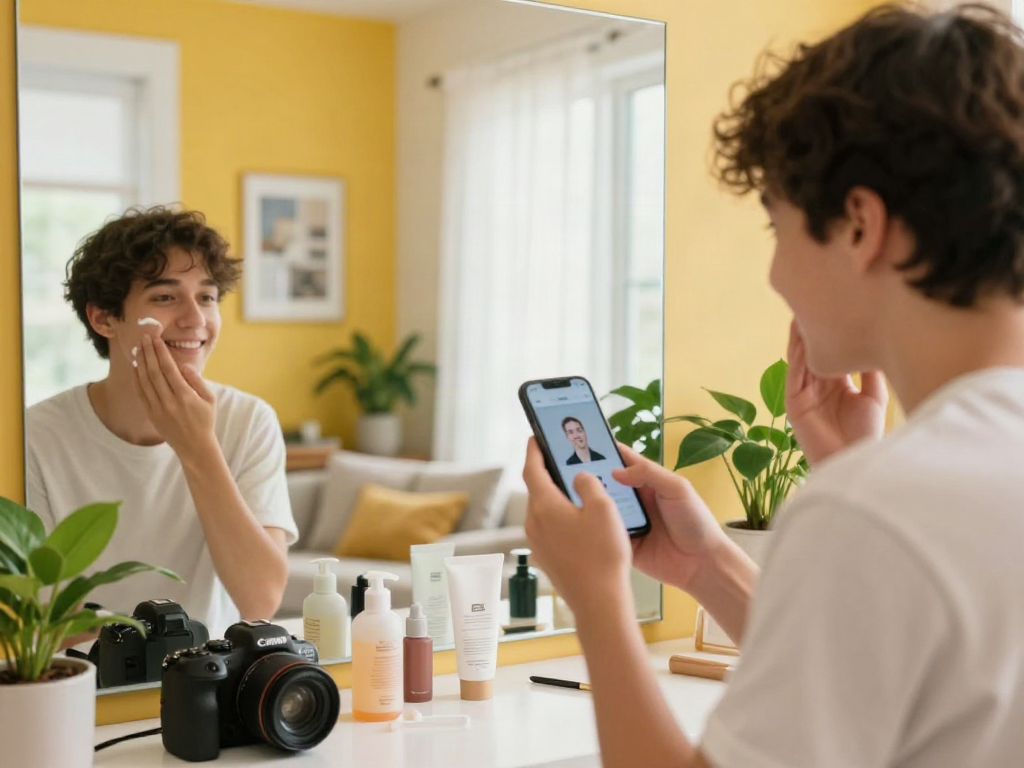
Age estimation tools can encourage users to adopt healthier lifestyles or skincare routines. By providing a visual representation of aging, these applications can motivate individuals to take proactive steps toward maintaining their appearance. Whether it's investing in high-quality skincare products or adopting a balanced diet, the insights gained from these tools can lead to meaningful changes.
Common Misconceptions About Age Estimation
Despite the advancements in technology, misconceptions about age estimation persist, often leading to skepticism regarding its accuracy and reliability.
Debunking Myths: AI vs. Human Judgment
One common myth is that AI age estimation can match or exceed human judgment in accuracy. While AI has made significant strides, it still operates on algorithms and patterns, which may not account for the subtleties of individual human expression and features. Human intuition and experience can often surpass these technological interpretations.
The Impact of Filters and Image Editing
Another prevalent misconception is that all images can be analyzed accurately, regardless of any digital alterations. Filters and heavy editing can skew results significantly, leading to misleading age estimates. Understanding that real, unaltered images yield the best results is crucial for users seeking accurate feedback.
Age and Its Relation to Health Perceptions
Lastly, the perception of age is often intertwined with health-related considerations. Many people equate looking younger with being healthier, which can lead to misunderstandings regarding age-related health issues. It's important to recognize that age perception doesn't necessarily correlate with an individual's actual health or vitality.
Future Trends in Age Estimation Technology
The field of age estimation technology is rapidly evolving, with innovations on the horizon that promise to enhance user experiences and improve accuracy.
Innovations on the Horizon: What's Coming in 2026
As we approach 2026, advancements in AI and machine learning will likely lead to even more sophisticated age estimation methodologies. Enhanced facial recognition technologies that analyze a broader range of cues will offer users new insights. Additionally, we're likely to see integration with augmented reality (AR) tools, allowing for real-time age estimation in social settings.
Potential Ethical Considerations and Data Privacy
As the technology advances, ethical considerations surrounding data privacy and consent will become increasingly important. Companies must prioritize user consent and transparency regarding how personal data is used, developed, and stored to maintain user trust in these technologies.
Integration of AR in Age Estimation Tools
Augmented reality holds significant potential for enhancing the user experience in age estimation tools. By providing real-time feedback and interactive features, users can experiment with different styles or skincare treatments to see potential effects on their perceived age.
How Age Estimation Might Change Social Interactions?
As age estimation technologies become more prevalent, they could significantly alter social dynamics. Awareness of perceived age can inform social behaviors and expectations, influencing both personal and professional interactions.
What’s Next for Users of Age Estimation Technologies?
For users, the future holds exciting possibilities. As technology continues to evolve, the accuracy of these tools will improve, alongside the potential for personalized recommendations based on individual insights. Users can expect not only an engaging experience but also practical applications that enhance aspects of their lives ranging from personal health to social connectivity.