





Understanding CIKA4D and Its Role in Indoor Agriculture
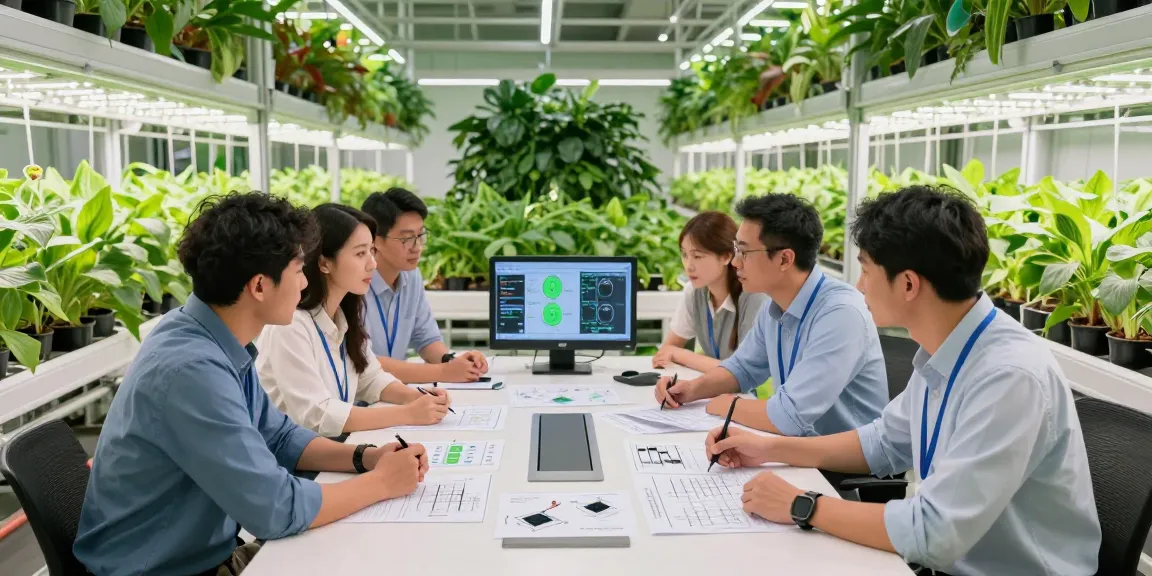
CIKA4D stands at the forefront of modern agricultural technology, offering innovative solutions designed to optimize indoor agriculture. As the demand for food production rises, driven by urbanization and climate change, the role of robust systems like CIKA4D in indoor farming becomes increasingly vital. These systems not only facilitate optimal growing conditions but also enhance overall sustainability within agriculture. When exploring options, cika4d provides comprehensive insights into designing and constructing cutting-edge facilities for indoor agriculture.
What is CIKA4D?
CIKA4D refers to a sophisticated framework designed for indoor agriculture encompassing grow rooms, vertical farming, and controlled horticultural environments. By integrating advanced technologies such as climate control, efficient lighting, and optimized spatial designs, CIKA4D aims to enhance plant growth while ensuring energy efficiency and sustainability. This system streamlines processes, making it easier for producers to maintain ideal growth conditions for various crops—increasing productivity and fostering responsible resource use.
Importance of Indoor Agriculture
Indoor agriculture plays a crucial role in addressing food security challenges. With the global population projected to reach nearly 10 billion by 2050, traditional farming methods may struggle to meet demand. Indoor farming allows for year-round crop production, reduces the carbon footprint associated with transportation, and ensures better pest control. Moreover, this approach enables farming in urban areas where land is scarce, bringing fresh produce closer to consumers while minimizing travel distances.
Benefits of CIKA4D Solutions
- Enhanced Crop Yields: By precisely controlling environmental factors such as temperature, humidity, and light, CIKA4D ensures optimal conditions for plant growth.
- Sustainability: The system significantly reduces water and energy consumption compared to traditional farming techniques, promoting environmentally friendly practices.
- Scalability: The versatility of CIKA4D allows for its application across various scales—from small urban farms to large commercial operations.
- Reduction of Pesticide Use: The controlled environment minimizes the need for chemical pesticides, leading to healthier produce.
Key Features of CIKA4D Systems
Advanced Climate Control Mechanisms
The backbone of CIKA4D’s effectiveness lies in its climate control mechanisms. These systems use a combination of sensors and automated controls to manage temperature, humidity, and air circulation. Advanced algorithms analyze data in real-time, enabling immediate adjustments to maintain optimal growing conditions. This precision is not only crucial for plant health but also contributes to energy savings by reducing unnecessary heating or cooling.
Efficient Lighting Solutions
Lighting is a critical component in indoor agriculture. CIKA4D employs cutting-edge LED technology that offers tailored light spectrums for different growth stages of plants. This adaptability ensures that crops receive the right amount of light without excess energy consumption. The integration of smart lighting systems further enhances efficiency, allowing growers to adjust light intensity and duration based on specific plant needs.
Innovative Space Design Strategies
Space design in indoor agriculture is essential for maximizing output while maintaining easy access for maintenance and harvesting. CIKA4D employs modular designs that can be customized to fit various facility sizes and shapes. Vertical farming techniques are also integrated to optimize space utilization, allowing for high-density crop production without compromising growth quality or operational efficiency.
Implementation of CIKA4D in Your Facility
Step-by-Step Installation Process
Implementing the CIKA4D system involves a systematic approach designed to ensure seamless integration into existing agricultural setups. The process typically includes:
- Consultation: Assessing facility needs and determining the best solutions tailored to the specific agricultural objectives.
- Design: Creating a detailed plan that incorporates all essential elements, including layout, technology, and resource management strategies.
- Installation: Implementing the system with a focus on adhering to timelines and maintaining operational continuity. This includes setting up climate control, lighting, and other necessary technologies.
- Training: Providing thorough training for facility staff on operating and maintaining the CIKA4D system effectively.
- Support: Offering ongoing technical support and system evaluations to ensure continued efficiency and productivity.
Common Challenges and Solutions
While transitioning to an indoor agriculture setup using CIKA4D, various challenges may arise, including:
- Initial Costs: High upfront investment can deter some businesses. To mitigate this, detailed financial planning and projections can showcase potential long-term savings and return on investment.
- Technological Adaptation: Staff may require time to adapt to new technologies. Comprehensive training programs can ease this transition and enhance overall system utilization.
- Maintenance: Regular inspections and routine maintenance schedules are essential to prevent operational failures and ensure system longevity.
Real-world Case Studies of CIKA4D Success
Several agricultural businesses have successfully integrated CIKA4D, resulting in marked improvements in productivity and sustainability. For instance, a commercial tomato farm in California implemented a CIKA4D setup, leading to a 40% increase in yield while cutting water usage by 30%. Such case studies can serve as valuable benchmarks for new adopters considering this innovative system.
Maximizing Productivity with CIKA4D
Energy Efficiency Practices
One of the significant advantages of CIKA4D is its focus on energy efficiency. To maximize productivity, facilities can adopt practices such as:
- Utilizing renewable energy sources, like solar panels, to power lighting and climate control systems.
- Implementing smart sensors to monitor energy use and optimize operations in real-time.
- Utilizing thermal energy storage solutions to reduce peak energy demand during high-cost periods.
Monitoring and Maintenance Strategies
Effective monitoring and maintenance strategies are vital to ensure that CIKA4D systems remain operational and efficient. Regular checks on climate control systems, coupled with data analytics from sensors, help identify potential issues before they escalate. Moreover, scheduled maintenance can prevent equipment failure, ensuring consistent productivity levels.
Leveraging Technology for Crop Yield Improvement
Technology integration in CIKA4D allows for continuous improvement in crop yields. Techniques such as data-driven decision-making based on real-time analytics help farmers adjust strategies swiftly. For example, using growth modeling software can predict the impact of environmental changes on crop health, allowing proactive adjustments to conditions accordingly.
Future Trends in Indoor Agriculture and CIKA4D
Emerging Technologies in the Field
As the indoor agriculture industry continues to evolve, several emerging technologies are poised to transform practices further. Artificial intelligence (AI) and machine learning algorithms are being increasingly integrated into CIKA4D systems, allowing for predictive analytics that can enhance decision-making processes. Additionally, vertical farming innovations and advanced hydroponics will likely drive new methods of maximizing space and resources.
Predictions for 2026 and Beyond
Looking ahead to 2026 and beyond, experts predict that the market for indoor agriculture systems like CIKA4D will experience significant growth. This surge is driven by increased urbanization, rising consumer demand for local produce, and a collective push towards sustainable agriculture. Moreover, as technology continues to advance, adopting CIKA4D systems will become increasingly feasible for a diverse range of farming operations.
Preparing for Future Challenges in Indoor Agriculture
The evolution of indoor agriculture will not be without challenges. Stakeholders must prepare for potential regulatory hurdles regarding resource use, sustainability standards, and technology implementations. Additionally, as competition in the market intensifies, businesses will need innovative strategies to differentiate themselves, ensuring they provide exceptional value and quality through systems like CIKA4D.
What makes CIKA4D unique compared to other solutions?
CIKA4D’s uniqueness lies in its comprehensive, user-centered design that integrates all aspects of indoor agriculture. Unlike conventional systems, CIKA4D emphasizes sustainability and efficiency, ensuring that every element, from climate control to spatial design, is carefully crafted to optimize plant growth and reduce resource consumption.
How can I implement CIKA4D in my existing agricultural setup?
Implementing CIKA4D requires a thorough assessment of your current setup, followed by a tailored design plan. The process typically involves consultation with experts who can guide the integration of CIKA4D systems into existing operations while ensuring minimal disruption to daily activities.
What are the cost implications of a CIKA4D project?
Cost implications for CIKA4D projects can vary widely based on the scale of the operation and the specific technologies implemented. It is crucial to conduct a detailed cost-benefit analysis to understand potential returns and savings over time, making the project financially viable.
How does CIKA4D improve sustainability in agriculture?
CIKA4D enhances sustainability by optimizing resource use, reducing the carbon footprint associated with transportation and production, and minimizing water waste. Additionally, the technologies employed promote better management of inputs and outputs, ensuring that agricultural practices align with eco-friendly principles.
What are the best practices for maintaining a CIKA4D facility?
Maintaining a CIKA4D facility involves establishing regular inspection schedules, providing ongoing education for staff, and leveraging data analytics to monitor system performance continuously. These practices ensure that the indoor agriculture environment remains conducive to optimal plant growth and production efficiency.