








Understanding the Importance of Wudu Basin in Islamic Traditions
The Wudu basin holds a significant place in Islamic culture, serving as a functional and spiritual element for Muslims across the globe. As a focal point for ablution, or ‘wudu’, this wash basin not only facilitates the physical act of purification before prayers but also symbolically represents a deeper commitment to cleanliness and faith. This article will explore the multifaceted importance of the Wudu basin, examining its role in Islamic practices and its evolution over time.
The Role of Ablution in Islamic Practices
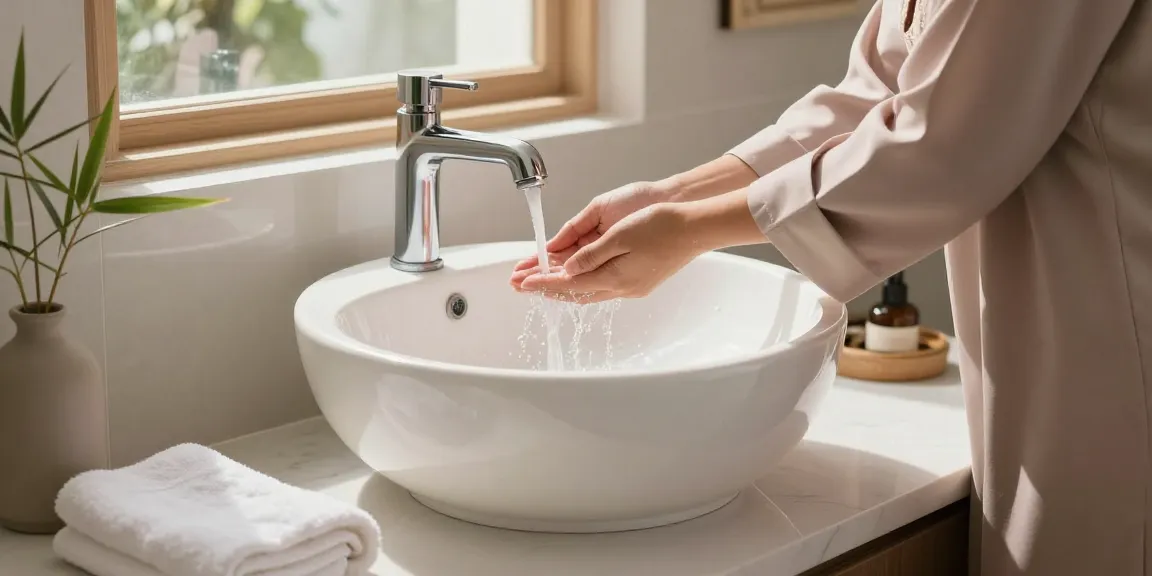
Ablution, or wudu, is a ritual that requires Muslims to perform specific washing actions before engaging in prayer. This practice is rooted in Islamic teachings, emphasizing cleanliness as a pathway to spiritual purity. Each action in ablution—washing the hands, mouth, nostrils, face, arms, and feet—reinforces the idea of entering a state of physical and mental readiness to connect with the divine. The Wudu basin acts as a dedicated space for this purification, underscoring its importance within both individual and communal worship contexts.
Historical Evolution of Wudu Basins
The design and construction of Wudu basins have evolved significantly from their early utilitarian forms to the elegant, purpose-driven designs seen today. Historically, these basins were often simple stone structures situated near mosques. As architecture progressed, so did the sophistication of Wudu basins, with innovations in materials and aesthetics reflecting the local cultures of the regions they served. Traditional ceramic and stone materials have been replaced or enhanced by modern composites, increasing durability and ease of maintenance while maintaining aesthetic appeal.
Significance of Design in Religious Context
The design of a Wudu basin is not merely an aesthetic concern; it holds deep cultural and religious significance. In many cultures, the basin’s aesthetics can influence the ambiance of the prayer space and enhance the user’s experience of purification. The integration of local artistic styles allows communities to express their identity while adhering to religious practices. Intricate carvings, tiling patterns, and modern minimalist designs can all convey a shared cultural history, making the Wudu basin a bridge between function and art in religious spaces.
Innovative Features of Modern Wudu Basins
Modern Wudu basins are designed with user experience and functionality in mind. Innovations in materials and technology have transformed how these basins are utilized, making them more accessible and efficient. Let’s delve into these features that set contemporary Wudu basins apart from their predecessors.
Materials and Durability: Why Solid Surfaces Matter
One of the defining characteristics of modern Wudu basins is the use of solid surface materials, such as acrylic and polymer resins. These materials offer exceptional durability, resistance to stains, and ease of repair, making them ideal for busy environments like mosques, schools, and community centers. Unlike traditional materials that may require frequent upkeep, solid surfaces can withstand repeated use without degrading in appearance or function.
Aesthetic Variations: From Minimalist to Ornate Designs
The aesthetic range of Wudu basins today caters to diverse tastes and architectural styles. Whether one prefers a sleek, minimalist design or a more ornate, culturally resonant piece, there is a basin to meet those needs. This variety allows communities to select pieces that align with their values and enhance their worship spaces, reinforcing both tradition and modernity.
Functionality Enhancements for Ease of Use
Innovations in design have also focused on enhancing the functionality of Wudu basins. Features such as ergonomic height adjustments, multiple stations for simultaneous use, and built-in drainage systems have made these basins more user-friendly. For instance, basins with motion sensors can provide hands-free operation, further promoting hygiene and convenience, which is particularly beneficial in high-traffic facilities.
Choosing the Right Wudu Basin for Your Space
When selecting a Wudu basin, various factors should be considered to ensure it meets the specific needs of your space. These considerations vary significantly between residential and commercial installations, making thoughtful planning crucial.
Considerations for Residential vs. Commercial Installations
For residential spaces, the choice of a Wudu basin may focus on personal preference, available space, and harmony with existing décor. However, in commercial settings, such as mosques or community centers, factors like traffic volume, durability, and maintenance become paramount. Selecting a basin designed for heavy use can ensure longevity and serviceability, providing a reliable solution for community worship.
Size, Shape, and Placement: Maximizing Functionality
The size and shape of the Wudu basin must align with its intended use, maximizing functionality while maintaining aesthetic harmony. Larger, multi-station basins may be ideal for busy mosques, allowing multiple users to perform ablution simultaneously. In contrast, smaller, more compact designs can suit individual homes or smaller prayer spaces without compromising usability.
Eco-friendly Options: Sustainability in Material Selection
With the rising emphasis on sustainability, eco-friendly options for Wudu basins are becoming more prevalent. Manufacturers are increasingly focusing on using recyclable materials and developing energy-efficient production methods. Choosing an eco-friendly basin not only reflects a commitment to environmental responsibility but also addresses the growing demand for sustainable practices in religious facilities.
Installation and Maintenance Best Practices
Proper installation and maintenance of a Wudu basin are crucial for ensuring its long-term functionality and aesthetic appeal. Understanding the installation process and routine care will help extend the life of the basin.
Step-by-Step Installation Process for Wudu Basins
Installing a Wudu basin typically involves several steps:
- Preparing the installation site: Ensure adequate plumbing and drainage are available.
- Following manufacturer instructions: Adhere to specific guidelines provided for the model being installed.
- Securing the basin: Properly mount the basin to prevent movement and ensure stability.
- Connecting water supply: Attach the plumbing fixtures for water input and drainage.
- Testing for leaks: Run water through the system to check for any leaks and adjust as necessary.
Engaging professional installation services can further ensure that the process is carried out correctly and that local building codes are adhered to.
Regular Maintenance Tips to Enhance Longevity
To maintain the functionality and appearance of a Wudu basin, regular cleaning and upkeep are essential. Here are some tips:
- Use mild, non-abrasive cleaners to avoid scratching the surface.
- Ensure all fixtures are tightly secured to prevent leaks.
- Inspect for stains or damage periodically, addressing any issues promptly.
- Follow specific care instructions provided by the manufacturer for solid surface materials.
Common Challenges and Solutions During Installation
During installation, one might encounter challenges such as improper measurements or inadequate plumbing connections. Preparing a checklist before installation and consulting with professionals can mitigate these issues. Additionally, familiarizing oneself with the specific requirements of the chosen Wudu basin model can ensure a smooth installation process.
Future Trends in Wudu Basin Designs and Technology
The landscape of Wudu basin designs is continually evolving, driven by technological advancements and changing cultural expectations. Here are some expected trends shaping the future of these vital fixtures.
Integration of Smart Technologies in Wash Basins
As smart home technologies gain popularity, the integration of these features into Wudu basins is on the rise. Innovations such as temperature sensors, touchless controls, and automated cleaning systems can enhance the user experience. These technologies not only improve convenience but also help promote hygiene in communal worship spaces.
Predicted Materials and Designs for 2026 and Beyond
Looking ahead to 2026, we can expect Wudu basins to incorporate even more advanced materials and sustainable practices. Biodegradable composites and advanced ceramics that resist bacteria are anticipated to become standard. Additionally, the blending of cutting-edge design practices with traditional craftsmanship will create diverse offerings appealing to both contemporary and traditional aesthetics.
Cultural Shifts Influencing Design Choices in Ablution Spaces
Cultural changes and a growing emphasis on inclusivity are influencing the design of ablution spaces. Future Wudu basins may feature accessible designs that accommodate individuals with disabilities or provide private, family-friendly spaces. This evolution reflects a broader recognition of the need for inclusivity in religious practices.
What are the key features of an ideal Wudu basin?
An ideal Wudu basin should be durable, easy to maintain, and ergonomically designed for comfort. Features such as multiple washing stations, eco-friendly materials, and modern aesthetics will enhance both functionality and user satisfaction.
How does the Wudu basin design impact user experience?
The design of a Wudu basin can significantly affect user experience, influencing ease of use, comfort, and overall satisfaction. A well-designed basin encourages regular use and enhances the spiritual significance of the ablution process.
Are there specific cleaning requirements for solid surface basins?
Solid surface basins require specific cleaning methods to preserve their appearance and functionality. Typically, gentle cleaners and non-abrasive sponges should be used to prevent scratches. Regular cleaning schedules should be established to maintain the basin’s hygiene and functionality.
What innovations are shaping the future of Wudu basins?
Innovations such as smart technology integration, sustainable materials, and ergonomic designs are shaping the future of Wudu basins. These advancements aim to enhance user experience while promoting environmental responsibility.
How can Wudu basins be adapted for contemporary spaces?
Wudu basins can be adapted for contemporary spaces by blending modern design elements with traditional functionality. This can include sleek lines, minimalist aesthetics, and the use of innovative materials that complement modern architectural styles.

