









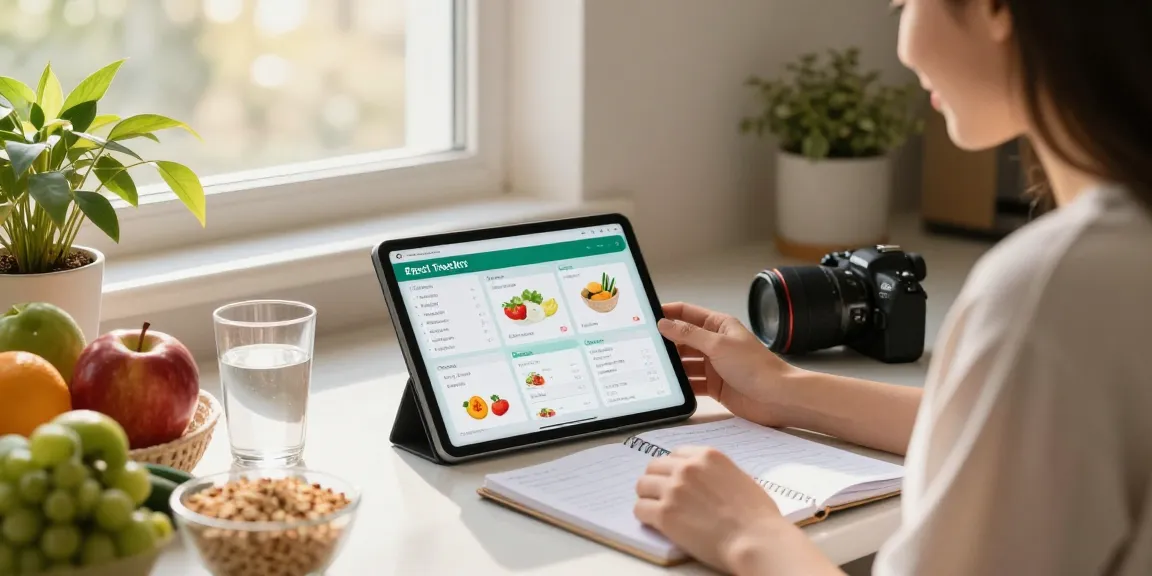
Understanding Food Tracking Apps
In today’s health-conscious society, food tracking apps have emerged as essential tools for individuals seeking to monitor their dietary habits, understand nutritional intake, and achieve health goals. Whether you’re looking to lose weight, manage a specific health condition, or simply improve your overall nutrition, these apps offer a convenient method for logging meals and tracking calories. This comprehensive guide will explore the best food tracking apps of 2026, providing insights into features, usability, and effectiveness. When exploring options, best food tracking app resources provide comprehensive insights to help you make an informed choice.
What is a Food Tracking App?
A food tracking app is a mobile or web application designed to help users log their food intake, track calories, and manage nutritional content. By recording what you eat and drink, these apps provide valuable feedback on your dietary habits, making it easier to identify areas for improvement. Advanced features may include barcode scanning, meal suggestions, and personalized coaching, allowing users to tailor their tracking experience to their specific goals.
Key Features of the Best Food Tracking Apps
When evaluating food tracking apps, several key features can greatly influence user experience and effectiveness:
- User-Friendly Interface: A clean, intuitive design makes it easy to log meals quickly without frustration.
- Nutritional Database: A comprehensive food database ensures accurate tracking of various foods, including international cuisines.
- Calorie Tracking: The ability to log calories helps users manage their intake relative to their goals.
- Feedback Mechanisms: Features such as meal suggestions or coaching tips enhance the tracking experience.
- Progress Tracking: Visual representations of progress over time can motivate users to continue on their health journey.
- Compatibility: Some apps integrate with fitness trackers or health apps, allowing for a more holistic view of user health.
How Food Tracking Apps Support Your Health Goals
Food tracking apps can support a range of health goals, from weight loss to muscle gain. By logging meals and snacks, users can gain insight into their eating patterns and identify triggers that lead to unhealthy choices. These apps can help create accountability, making it easier to adhere to a meal plan. Additionally, many apps provide resources such as educational articles, recipes, and forums to enhance user knowledge and engagement.
Ranking the Best Food Tracking Apps of 2026
Based on thorough testing and evaluations against established benchmarks, we present the top food tracking apps for 2026. Our ranking takes into account factors such as accuracy, usability, and unique features that cater to different user needs.
Overview of Our Testing Methodology
To determine the best food tracking apps, we employed a rigorous testing methodology, scoring each app on a published 200-point rubric across eleven segments. Our testing involved logging thousands of real meals and comparing app data against verified nutritional information. This detailed approach ensures that our rankings are credible and trustworthy.
Top Picks: A Closer Look at Each App
Here are the top five food tracking apps of 2026, highlighting their standout features and why they earned their positions:
- Welling: An innovative app that facilitates logging via photo, voice, or chat, enhanced by AI nutritional coaching, making meal tracking engaging and informative.
- Cronometer: Renowned for its accuracy, Cronometer focuses on micronutrient tracking, ensuring users can monitor their overall health beyond just calorie intake.
- MacroFactor: This app stands out for its dynamic recalculation features, adapting to users’ energy expenditure and providing tailored macronutrient plans.
- YAZIO: A robust app offering meal planning, recipe suggestions, and progress tracking, making it ideal for users looking to align their meals with specific health goals.
- Lifesum: Known for its aesthetically pleasing design and user-friendly interface, Lifesum encourages healthy eating through personalized meal plans and diet tracking.
Comparative Analysis of Features and Usability
While all top food tracking apps provide essential tracking capabilities, they differ significantly in their features. Users should consider what aspects are most important to their personal needs. For instance, those prioritizing micronutrient intake might favor Cronometer, while individuals seeking a visually appealing app might choose Lifesum. Our comparative analysis also highlighted usability, noting which apps are the easiest to navigate for daily logging.
How to Choose the Right Food Tracking App for You
Selecting the right food tracking app can feel overwhelming due to the plethora of options available. However, assessing your personal health goals alongside key features can simplify the decision-making process.
Assessing Your Personal Health Goals
Before committing to a food tracking app, it’s crucial to define your health goals. Are you looking to lose weight, manage a chronic condition, or simply enhance your diet? Understanding your primary objectives will guide you in selecting an app tailored to your needs.
Evaluating Features Based on User Needs
Consider what features matter most to you. For instance, if you prefer tracking meals visually, an app with photo logging capabilities may be ideal. Alternatively, if you require detailed nutritional analysis, choose an app that emphasizes this aspect. Always look for user reviews and recommendations before making a choice.
Common Mistakes in Selecting Food Tracking Apps
Many users make the mistake of choosing an app solely based on popularity or reviews without considering their own lifestyle and preferences. It’s essential to test a few apps to find one that feels intuitive and aligns well with your health goals. Another frequent pitfall is overlooking the importance of a solid database; a larger database is not always indicative of quality.
Real World Applications: Success Stories
Food tracking apps have not only changed the way individuals manage their diets but have also transformed lives through documented success stories. Here we highlight several compelling case studies.
Case Study: Transformative Weight Loss Journeys
Many users report significant weight loss success attributed to consistent food tracking. One user shed over 50 pounds in a year by utilizing an app’s calorie tracking features and nutritional guidance. By logging meals and receiving feedback, they were able to identify and adjust unhealthy eating patterns.
App-Based Nutrition Coaching Examples
Several apps now offer integrated nutrition coaching that guides users through their dietary journeys. For instance, Welling provides personalized coaching based on logged meals, ensuring users receive tailored advice aligned with their specific health goals.
User Testimonials on Effectiveness of Food Tracking
Testimonials from real users continually highlight the effectiveness of these apps. Many express gratitude for increased awareness regarding portion sizes and nutritional content, demonstrating how logging meals can lead to more mindful eating practices.
Future Trends in Food Tracking Technology
The landscape of food tracking is continually evolving, influenced by advancements in technology and changes in consumer preferences. Understanding these trends can help you stay ahead in your health journey.
Emerging Technologies: AI and Automation in Tracking
As AI technology continues to grow, food tracking apps are integrating machine learning to enhance personalization. Users may soon enjoy more intuitive systems that not only track but also predict dietary needs and offer proactive meal suggestions.
Predictions for Food Database Improvements
Future apps are expected to enhance database quality, focusing on verified, accurate entries rather than sheer volume. This shift is critical as users demand reliability in the information provided to guide their dietary choices.
Consumer Preferences Shaping Future App Features
As consumers become savvier, there is a growing preference for apps that offer transparency in data collection and health recommendations. Features like comprehensive meal planning, integration with fitness trackers, and community forums are becoming increasingly important.
What is the best food tracking app for beginners?
For beginners, choosing an app that is easy to navigate is crucial. Lifesum and YAZIO are often recommended for their user-friendly interfaces that simplify the meal logging process.
Are calorie tracking apps accurate for weight loss?
Research indicates that calorie tracking apps can significantly aid in weight loss when used correctly, especially those that provide accurate food databases and promote accountability.
How do I maintain consistency with food tracking?
Maintaining consistency requires establishing a daily routine. Setting reminders to log meals and using the app’s features, like notifications for meal times, can help users stay accountable.
What features make a food tracking app user-friendly?
User-friendly apps generally have intuitive navigation, quick logging options, and easy access to nutritional information. Features like barcode scanning also enhance the logging experience.
Can food tracking apps help with meal planning?
Absolutely! Many food tracking apps now offer integrated meal planning features, allowing users to create customized meal plans based on their dietary goals.
