








The Allure of Tricycles: Why They Are Gaining Popularity in 2026
In recent years, the popularity of tricycles has surged, transforming them from a nostalgic childhood memory into a practical mode of transport for adults and children alike. As we move into 2026, the appeal of tricycles is becoming even more pronounced, driven by their versatility, ease of use, and environmental benefits. This article dives deep into the reasons behind the rising demand for tricycles, exploring the various benefits they offer for different age groups and lifestyles. When exploring options, tricycles provide comprehensive insights into the diverse models available today.
Understanding the Rising Demand for Tricycles
The increasing urbanization and the need for sustainable transportation solutions have played a pivotal role in the rise of tricycles. They are not only suitable for leisurely rides but also serve as an alternative to cars for short commutes. With the growing awareness of carbon footprints, many individuals are seeking greener modes of transport. Tricycles, especially electric variants, allow users to reduce their reliance on fossil fuels while enjoying the fresh air and exercise.
Benefits of Tricycles for Adults and Children
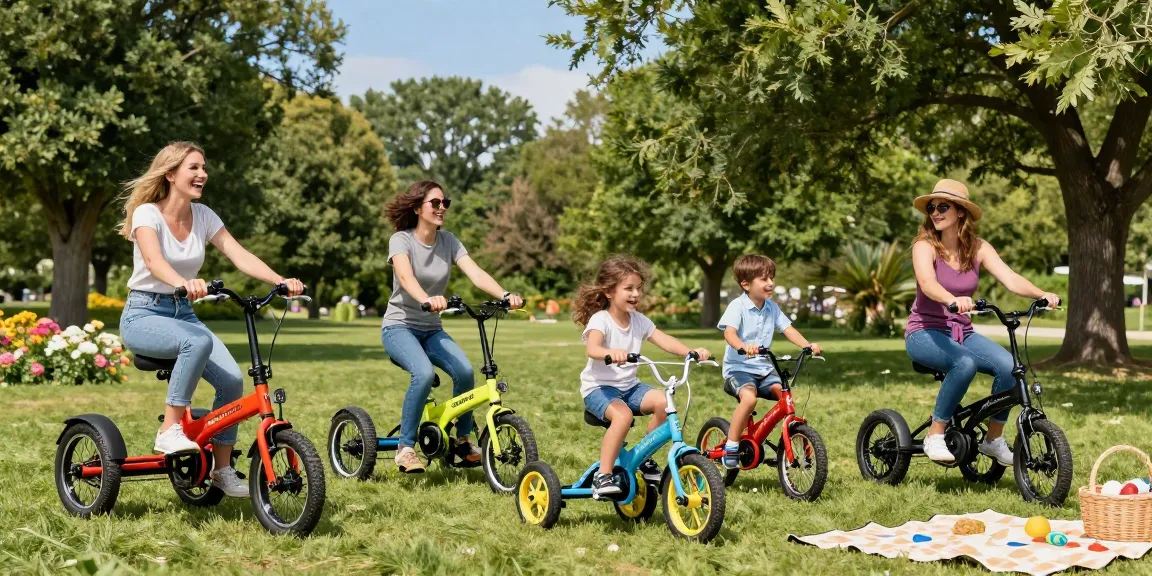
Tricycles cater to a diverse audience, providing benefits for both adults and children. For adults, tricycles offer greater stability than traditional bicycles, making them an ideal choice for those who may be less agile or are returning to cycling after a break. Features such as wider seats and comfortable handlebars enhance the riding experience. For children, tricycles foster early development of coordination and balance, allowing them to enjoy cycling in a safe environment.
Essential Features of Tricycles: What to Look For
Frame Types and Weight Considerations
The frame of a tricycle significantly influences its overall performance and usability. Most modern tricycles are constructed from lightweight materials like aluminum, which make them easier to handle and transport. Additionally, many come with a folding design that allows for compact storage, making them ideal for urban dwellers with limited space. When choosing a tricycle, consider how often it will need to be transported and the typical terrain it will navigate.
Motor and Battery Specifications for Electric Tricycles
Electric tricycles have gained immense popularity due to their ability to assist with pedaling, making cycling more accessible to a wider audience. A quality electric tricycle should feature a robust motor—typically ranging from 250W to 500W—along with a reliable battery that offers a range suitable for daily commuting or leisure rides. Battery capacity is measured in amp-hours (Ah), with higher values allowing for longer distances between charges. A 14Ah battery, for instance, offers substantial power for many users, making electric tricycles an appealing option for those commuting or running errands.
Safety Features: Ensuring Stability and Control
When it comes to tricycles—especially for adults and children—safety is paramount. Look for models with features such as electrical cut-off brake levers, which enhance stability during sudden stops. Additionally, wide tires provide better grip and smoother rides over various terrains. Tricycles equipped with reflective materials and integrated lights contribute to enhanced visibility, ensuring safety during dawn or dusk rides.
Choosing the Right Tricycle: A Comprehensive Guide
Factors to Consider for Adults vs. Children
Adults and children have different needs when it comes to tricycles. Adults may prioritize features like adjustable seating, gear options, and robust frame construction for longer rides. Conversely, children’s tricycles should focus on safety features and ease of use, ensuring they can learn to ride with minimal difficulty. It’s essential to find a model that caters to the specific requirements of each rider.
Assessing Your Needs: Recreational vs. Commuting Tricycles
Deciding whether a tricycle will primarily be used for recreation or commuting can influence your purchase significantly. Recreational tricycles often prioritize comfort and stability, featuring wider seats and a more relaxed seating position. Commuting tricycles, on the other hand, may include additional features such as storage baskets, fenders, and a lightweight frame to facilitate easy navigation through city traffic.
Accessories That Enhance Your Tricycle Experience
Investing in the right accessories can greatly improve your tricycle experience. Accessories such as baskets for storage, water bottle holders, and even safety gear like helmets should be considered. Some tricycles come with additional features like panniers or cargo nets, which are especially useful for commuters needing to carry personal items or groceries. Ensuring you have the right accessories not only increases comfort but also enhances practicality.
Maintenance and Care Tips for Longevity
Routine Checks for Safety and Performance
Regular maintenance is critical to ensure that your tricycle remains in optimal condition. Routine checks should include examining the brakes, checking tire pressure, and lubricating the chain. These small tasks can prevent more significant issues in the future, ensuring a safe and enjoyable riding experience.
Storing Your Tricycle: Best Practices
Proper storage can extend the life of your tricycle. If space allows, store your tricycle indoors, ideally in a cool, dry place. If you must store it outside, invest in a quality cover to protect it from the elements. Additionally, regularly cleaning your tricycle can prevent rust and corrosion, especially on the frame and mechanical components.
Repairing Common Issues with Tricycles and E-Trikes
Even the best-maintained tricycles can encounter issues over time. Common problems include flat tires, brake adjustments, and electrical issues in electric models. Familiarizing yourself with basic repair techniques can save time and money. However, for more complex issues, consulting a professional is recommended to ensure safety and reliability.
Future Trends in the Tricycle Industry: What’s Next?
The Impact of Technology on Tricycle Design
As technology continues to advance, the design and functionality of tricycles are also evolving. Features such as smart displays for tracking distance and speed, integrated GPS, and even connectivity with mobile devices are becoming more common. This trend is expected to grow, creating a more connected and enjoyable riding experience.
Environmental Benefits and Sustainability Trends
With increasing awareness of environmental issues, the demand for electric and eco-friendly tricycles is likely to rise. These modes of transport not only reduce carbon emissions but also encourage healthier lifestyles. The industry may see a shift toward using sustainable materials in tricycle production, further supporting the green movement.
Expectations for the Tricycle Market in 2026 and Beyond
Looking ahead, the tricycle market is expected to expand significantly, driven by changing consumer preferences and a focus on sustainable transportation. The introduction of more innovative designs, enhanced features, and affordability will likely attract a broader audience. Whether for leisure, fitness, or commuting, tricycles are poised to become a staple in urban areas across the globe.
What are the best types of tricycles for adults?
The best types of tricycles for adults tend to be those that offer a balance between comfort and functionality. Electric tricycles, in particular, provide assistance for longer rides, while traditional adult tricycles often focus on ergonomics and stability. Ultimately, the choice depends on individual preferences and intended use.
How far can electric tricycles travel on a single charge?
The distance electric tricycles can travel on a single charge varies significantly depending on the battery capacity and motor power. On average, most electric tricycles can cover between 20 to 40 miles per charge, making them suitable for daily commutes or recreational rides.
What safety features should I look for in a kids’ tricycle?
When choosing a kids’ tricycle, safety features should be a priority. Look for models with wide, stable bases, safety belts, and effective braking systems. Additionally, consider tricycles with adjustable seats that can grow with your child, ensuring they remain safe and comfortable as they learn to ride.
Are tricycles good for exercise?
Yes, tricycles can provide excellent cardiovascular workouts while also improving leg strength and balance. They are particularly beneficial for those who may be recovering from injury or who require a more stable riding option. Cycling on a tricycle can be both enjoyable and a great way to maintain fitness.
What accessories do I need for my tricycle?
Essential accessories for a tricycle include helmets for safety, storage baskets for convenience, and water bottle holders for hydration during rides. Additionally, consider investing in lights and reflectors for visibility in low-light conditions, especially for commuting purposes.