








Understanding Yoga Teacher Training in 2026
As the global wellness movement continues to gain momentum, the demand for qualified yoga instructors has never been higher. This trend has ignited interest in programs that not only provide exceptional training but also immerse students in a nurturing environment that emphasizes both practical teaching skills and personal growth. For those considering a transformative journey into the world of yoga, exploring the yoga teacher training 2026 options in Sri Lanka could be a life-changing decision.
What is Yoga Teacher Training?
Yoga teacher training (YTT) encompasses a structured program designed to deepen participants’ understanding of yoga as a practice and philosophy. Typically, these courses offer comprehensive education on a variety of topics, including asanas (postures), pranayama (breath control), meditation, anatomy, and the history and philosophy of yoga. The goal is to equip trainees with the knowledge and skills needed to teach yoga effectively and confidently.
Importance of Yoga Alliance Certification
One of the significant factors that aspiring yoga teachers consider when choosing a training program is whether the course is accredited by the Yoga Alliance. This certification ensures that the training meets established standards and that graduates are recognized internationally as Registered Yoga Teachers (RYT). Completing a Yoga Alliance certified program not only enhances a teacher’s credibility but also opens doors to numerous job opportunities around the world.
Differences Between Training Locations: Sri Lanka vs. Bali vs. India
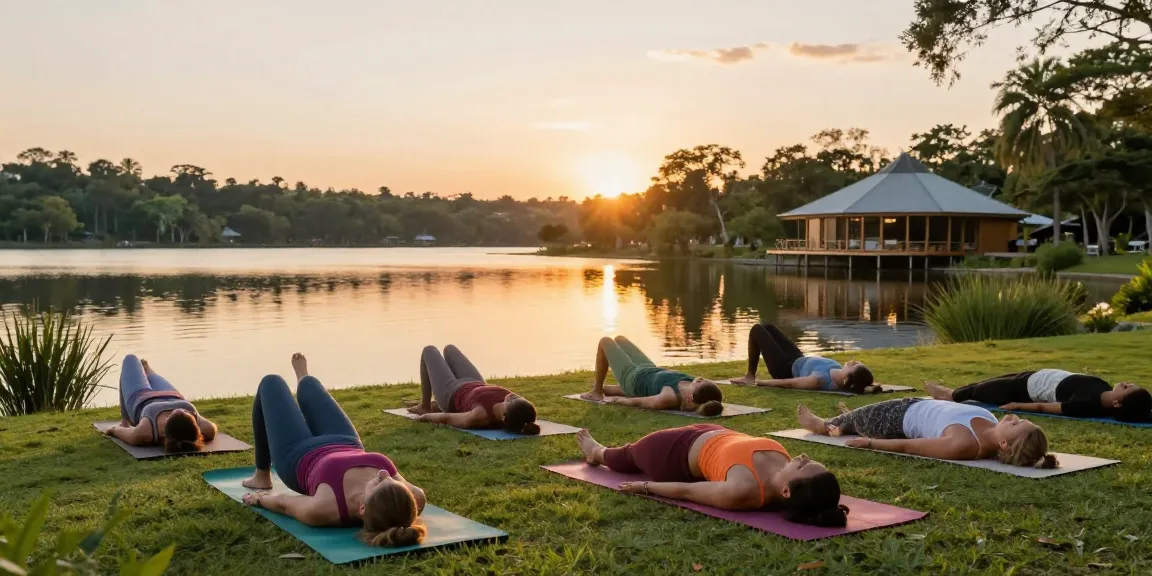
When evaluating locations for yoga teacher training, many prospective students often compare Sri Lanka with more traditional hubs like Bali and India. While Bali and India boast rich yoga traditions, Sri Lanka offers a unique blend of stunning natural beauty, a less saturated market, and a welcoming atmosphere. The tranquil settings, such as Koggala Lake where programs are often held, provide an ideal backdrop for deep reflection and learning.
Course Overview and Structure
The structure of yoga teacher training can significantly affect the learning experience. In Sri Lanka, the 200HR Yoga Teacher Training program at Lanka Yoga is tailored to foster a nurturing learning environment. The curriculum blends theory with practical application, ensuring students not only learn the ‘how’ of teaching but also understand the ‘why’ behind every practice.
Daily Schedule: What to Expect?
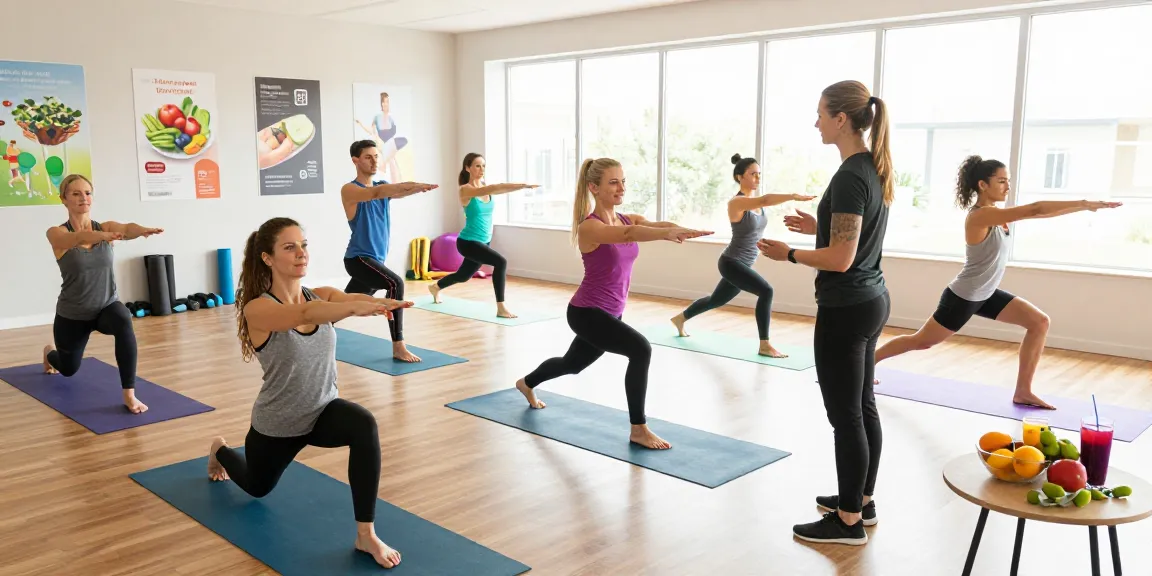
A typical day in the YTT program is meticulously planned to create a balanced mix of learning, practice, and self-reflection. From early morning meditation sessions to evening group discussions, trainees will experience a variety of activities aimed at enhancing their skills. Approximately, the daily schedule looks like this:
- 7:00 AM – 9:00 AM: Morning Asana and Meditation
- 9:00 AM – 10:00 AM: Breakfast
- 10:00 AM – 1:00 PM: Review, Workshops, and Lectures
- 1:00 PM – 3:00 PM: Lunch/Free Time
- 3:00 PM – 4:00 PM: Short Fun Lecture
- 4:00 PM – 5:00 PM: Lectures and Workshops
- 5:00 PM – 6:15 PM: Practice Teaching Work
- 6:15 PM – 6:30 PM: Closing Circle
- 6:30 PM Onward: Dinner and Free Time
Core Components of the 200HR Training Course
The 200HR training program at Lanka Yoga includes essential components such as:
- Anatomy and Physiology: Understanding the human body and how it moves is crucial for safe teaching.
- Pranayama and Breath Work: Techniques to enhance energy and focus during practice.
- Teaching Methodology: Practical sessions that focus on cueing, sequencing, and gaining confidence in front of a class.
- Yoga Philosophy: Exploring the origins of yoga and its spiritual aspects.
Unique Aspects of the Yoga Synergy Method
The Yoga Synergy method, which informs the training approach, emphasizes an alignment-based practice that also incorporates elements of modern physiotherapy. This blend of ancient wisdom and contemporary understanding allows students to practice safely and effectively, making the approach accessible to all levels.
Benefits of Studying in Sri Lanka
Choosing Sri Lanka as your training destination offers several unique advantages. Apart from the serene environment, the pace of life in Sri Lanka allows for deeper immersions in both yoga and local culture.
Why Choose Sri Lanka for Your Yoga Training?
Sri Lanka’s idyllic settings provide the perfect backdrop for yoga training. Whether it’s the soothing sounds of the lake, the lush greenery, or the vibrant local culture, the experience cultivates a sense of tranquility and focus that is essential for learning.
Immersion in Local Culture and Environment
Part of the transformative journey of yoga teacher training involves engaging with the local community and culture. Sri Lanka is known for its warm hospitality, and students often have opportunities to participate in local festivals, cooking classes, and community service, enriching their overall experience.
Accessibility and Affordability Compared to Other Destinations
Compared to yoga training in Bali or India, Sri Lanka offers distinct advantages in terms of cost and accessibility. With fewer crowds and a variety of affordable accommodation options, students can focus entirely on their training without the added pressures of competition and costs often associated with more popular locations.
Preparing for Your Training
Preparation is key to making the most out of your yoga teacher training experience. Here are a few tips to ensure you are ready for this transformative journey.
What Experience is Required?
Students are often curious about the experience required before joining a YTT program. While a regular yoga practice is encouraged, aspiring teachers do not need to be advanced practitioners. The program is designed to accommodate varying levels of experience, as long as there is a genuine interest in furthering one’s yoga knowledge.
Essential Gear and Materials to Bring
Pack the essentials to ensure a comfortable and successful experience. Here’s a basic list to get started:
- Comfortable yoga attire
- A personal yoga mat (if preferred)
- Reusable water bottle
- Notebook and pens for taking notes
- Personal toiletries
Starting Your Journey Before Arrival
Many programs, including the one at Lanka Yoga, provide online resources that students can start accessing immediately after enrollment. Engaging with these materials before arriving can give you a head start and help acclimatize to the teachings.
Post-Training Success and Opportunities
The end of the training program is merely the beginning of your journey as a yoga teacher. The skills, knowledge, and network gained during the course open multiple pathways for personal and professional development.
Graduate Success Stories and Testimonials
Many graduates from the Lanka Yoga program go on to create successful careers in yoga, whether that be teaching classes, opening their studios, or integrating yoga into their existing professions. Testimonials highlight the transformative impact of the training, with graduates attesting to the thoroughness of the program and the real-world skills they acquired.
How to Leverage Your Certification for Career Growth?
With a Yoga Alliance certification in hand, graduates are well-positioned to teach anywhere in the world. Networking opportunities, mentorship programs, and ongoing education are just a few ways to continue growing professionally.
Ongoing Support and Networking Opportunities
After completing the training, participants have access to a private graduate group, which offers ongoing support and job leads. This sense of community helps maintain connections formed during training, fostering collaboration and continued growth.
How Does Yoga Teacher Training Enhance Personal Growth?
Beyond professional development, yoga teacher training offers profound personal growth. Many participants report increased self-confidence, improved physical health, and a deeper understanding of themselves and their values. This holistic development contributes significantly to one’s ability to guide and teach others effectively.