







Introduction to 200 Hour Yoga Teacher Training Sri Lanka
Embarking on a journey of self-discovery and skill development through yoga teacher training is a profound experience for many aspiring instructors. The 200 hour yoga teacher training sri lanka program at Lanka Yoga offers an immersive approach that seamlessly blends traditional yogic philosophy with modern movement science. Set in the serene landscape of Sri Lanka, this program provides not just an education in yoga but a holistic experience that rejuvenates mind, body, and spirit.
Participants will experience a supportive environment, expert instruction, and the stunning natural beauty of the Sri Lankan coastline, all while developing the skills necessary to lead their own classes. This article delves into the unique aspects of the program, highlighting daily schedules, accommodations, and what participants can expect to gain.
Understanding the Yoga Synergy Approach
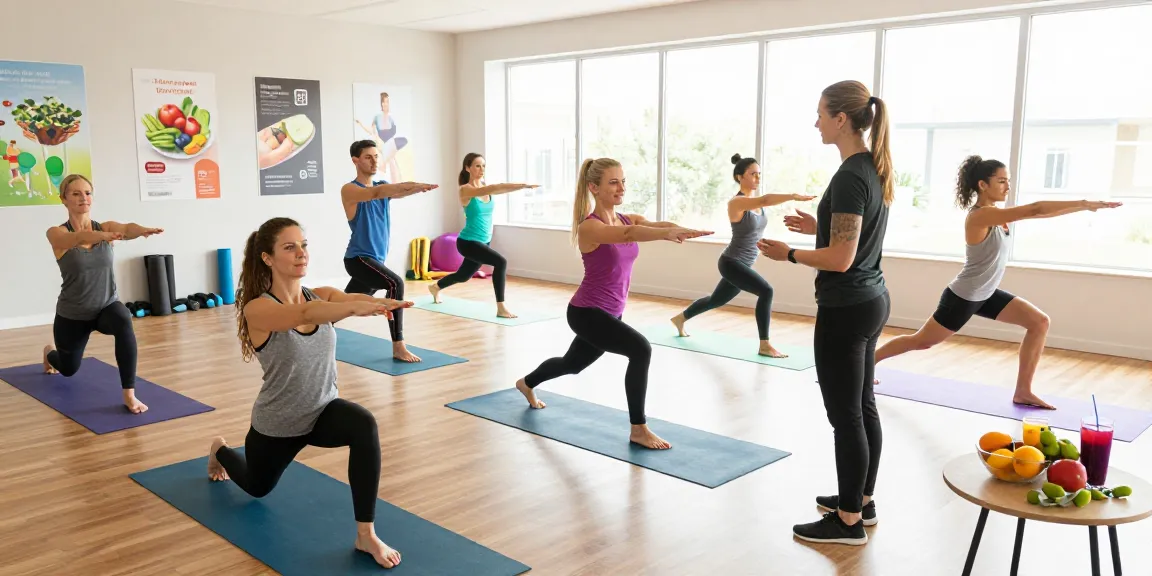
The Yoga Synergy approach, developed by physiotherapists, emphasizes the integration of physical practice with an understanding of anatomy and movement. This method promotes not only the physical aspects of yoga but also teaches practitioners how to modify poses to accommodate different body types and needs. By focusing on breath awareness and alignment, students learn to access the full benefits of their practice while minimizing the risk of injury. The training incorporates both asana practice and theoretical knowledge, resulting in a well-rounded educational experience.
Benefits of Training in Sri Lanka
Choosing Sri Lanka as your destination for yoga teacher training offers numerous advantages. The country is rich in culture and natural beauty, providing a peaceful backdrop for intensive learning. The tranquil environment along the south coast allows for deep reflection and relaxation, essential components of the training process. Moreover, Sri Lanka’s emerging status as a popular destination for yoga and wellness retreats means you’ll be part of a growing community of like-minded individuals.
What to Expect from the Program
Participants in the 200-hour teacher training program can expect a rigorous yet fulfilling schedule. The curriculum covers various aspects of yoga, including teaching skills, class planning, philosophy, anatomy, asanas, and meditation. With experienced instructors and a low student-to-teacher ratio, students receive personalized attention and support throughout their training journey.
Daily Schedule at Lanka Yoga
A Typical Day in Training
The daily schedule at Lanka Yoga is thoughtfully crafted to balance practice, theory, and personal time. Each day begins with early morning meditation and pranayama, allowing for a peaceful start before engaging in physical practice. Throughout the day, students participate in lectures, workshops, and practice teaching sessions, culminating in evenings of relaxation and reflection. Here’s a breakdown of a typical day:
- 07:00 AM: Meditation & Pranayama
- 07:30 AM: Morning Asana Practice
- 09:00 AM: Breakfast
- 10:00 AM: Lecture or Workshop
- 11:30 AM: Asana Lab
- 01:00 PM: Lunch & Free Time
- 03:00 PM: Lecture
- 04:30 PM: Practice Teaching
- 06:30 PM: Dinner & Free Time
Rest and Recovery: Sundays Off
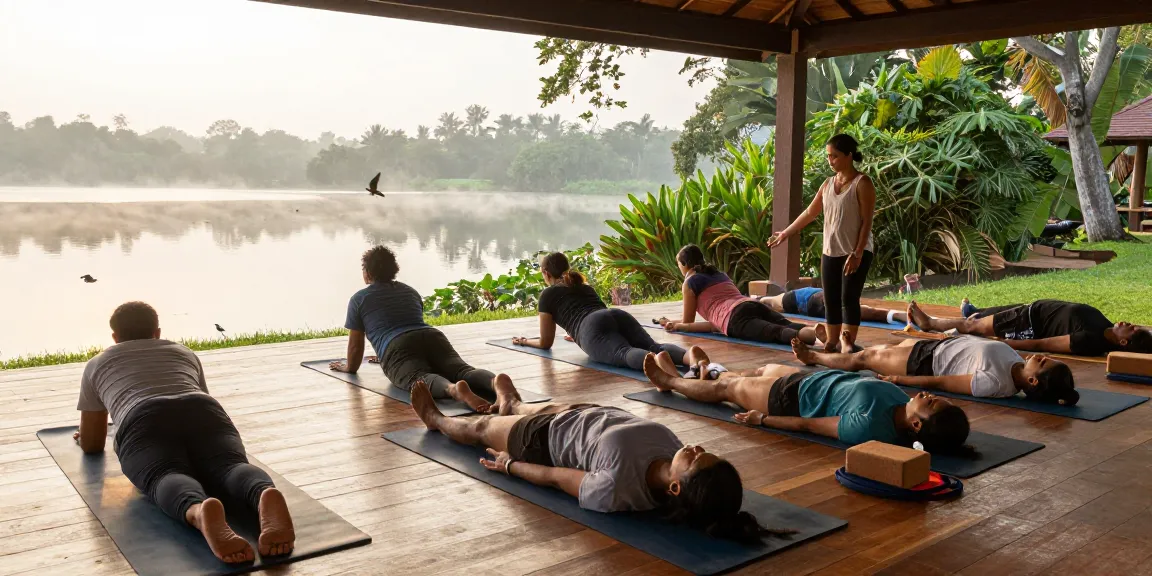
Recognizing the importance of rest in a demanding program, Sundays are designated as days off. This allows participants to relax, explore the surrounding area, or engage in self-reflection. Whether it’s lounging by the lake or visiting nearby beaches, students have the opportunity to recharge and enjoy the beauty of Sri Lanka.
Integrating Theory and Practice
The training successfully integrates theoretical knowledge with practical applications. Students learn about yoga philosophy, anatomy, and the business of yoga, alongside their physical practice. This comprehensive approach ensures that graduates are not only skilled practitioners but also knowledgeable teachers prepared to lead their own classes confidently.
Accommodations and Amenities
Room Options: Shared, Twin, and Private
Accommodation at Lanka Yoga is designed to promote comfort and tranquility. Participants can choose from various room options that suit both their budget and preference. All rooms offer breathtaking views of Koggala Lake, and options include:
- Shared Rooms: Accommodations for 3-4 guests, perfect for those looking for a communal living experience.
- Twin Share: Ideal for friends or those preferring a little more privacy, with spacious twin rooms featuring private ensuite bathrooms.
- Private Rooms: A king bed suite with a designated workspace and a veranda for complete tranquility.
Facilities: Lakeview Shala and Vegan Meals
The training location features a purpose-built shala that faces the serene Koggala Lake, providing an ideal setting for yoga practice and meditation. The amenities include modern bathrooms, air conditioning, and communal areas that encourage connection among participants. Additionally, the kitchen staff prepares fresh, delicious vegan meals daily, with an emphasis on using local ingredients and spices, catering to various dietary needs.
Inclusive Amenities for a Comfortable Stay
Every participant will enjoy access to essential amenities to enhance their stay, including:
- Unlimited fruit, herbal tea, and filtered water
- A bespoke printed and digital 200-page training manual
- Lifetime access to an online foundations course valued at €150
- A private graduate group for support and mentoring
- A Yoga Alliance RYT 200 certificate upon successful completion
Outcomes of the Training
What You’ll Leave With: Certification and Skills
Upon completion of the program, participants will walk away not only with a Yoga Alliance certified RYT 200 certificate but also with the practical skills and confidence needed to teach yoga. The combination of theoretical knowledge and hands-on practice ensures that graduates are well-prepared for their next steps in the yoga community.
Post-Training Support and Community
The support doesn’t end with graduation; every cohort has exclusive access to a private WhatsApp group that remains active after the course. Graduates can connect, share opportunities, and seek guidance. Additionally, the community continues to thrive through a dedicated Facebook group where industry news and job offers are regularly posted.
Potential Career Paths in Yoga
Completing the 200-hour yoga teacher training opens various career paths for graduates. Many participants seek to teach classes in studios, gyms, or wellness retreats, while others decide to deepen their knowledge further and pursue advanced trainings. Some graduates even explore entrepreneurship by creating their own classes or workshops, offering unique styles or focusing on specific populations.
Addressing Common Concerns and FAQs
Is Sri Lanka Safe for Solo Travelers?
Sri Lanka is regarded as one of the safest countries in Asia for travelers, with a welcoming atmosphere that caters to solo adventurers. Most students choose to attend the training alone, with a significant number being women who feel comfortable and secure throughout their stay. The vibrant local community and hospitality make it easy to navigate and enjoy.
Visa Requirements for Entry
Entry into Sri Lanka has been simplified for travelers from various countries, with recent regulations allowing visa-free entry for citizens from 40 nations, including Australia, Canada, and the UK. To gain entry, individuals must apply for an Electronic Travel Authorization (ETA) online, which is easily processed within a few days.
What Style of Yoga Will You Learn?
Participants can expect to learn primarily the Yoga Synergy method, which blends modern movement science with traditional philosophy. This approach is designed to be accessible to everyone, regardless of prior experience. In addition to Vinyasa flows, students will explore meditation, pranayama, and the principles underlying effective teaching.